
Paint protection film is a clear, thick polyurethane layer applied directly over a car’s paint to absorb physical impacts that wax and ceramic coatings cannot stop: stone chips, road debris, and parking-lot scratches. The film takes the damage instead of the paint, and on self-healing versions, light scratches disappear on their own with heat. It is worth it for drivers who want to protect a new or high-value car from chips and scratches, especially on highways, and it is most effective when paired with a ceramic coating on top.
That is the summary. PPF and ceramic coating get confused constantly because both are sold as “paint protection,” but they solve different problems. Here is how the film actually works, what it covers, what it costs, and when it makes sense.
How paint protection film works
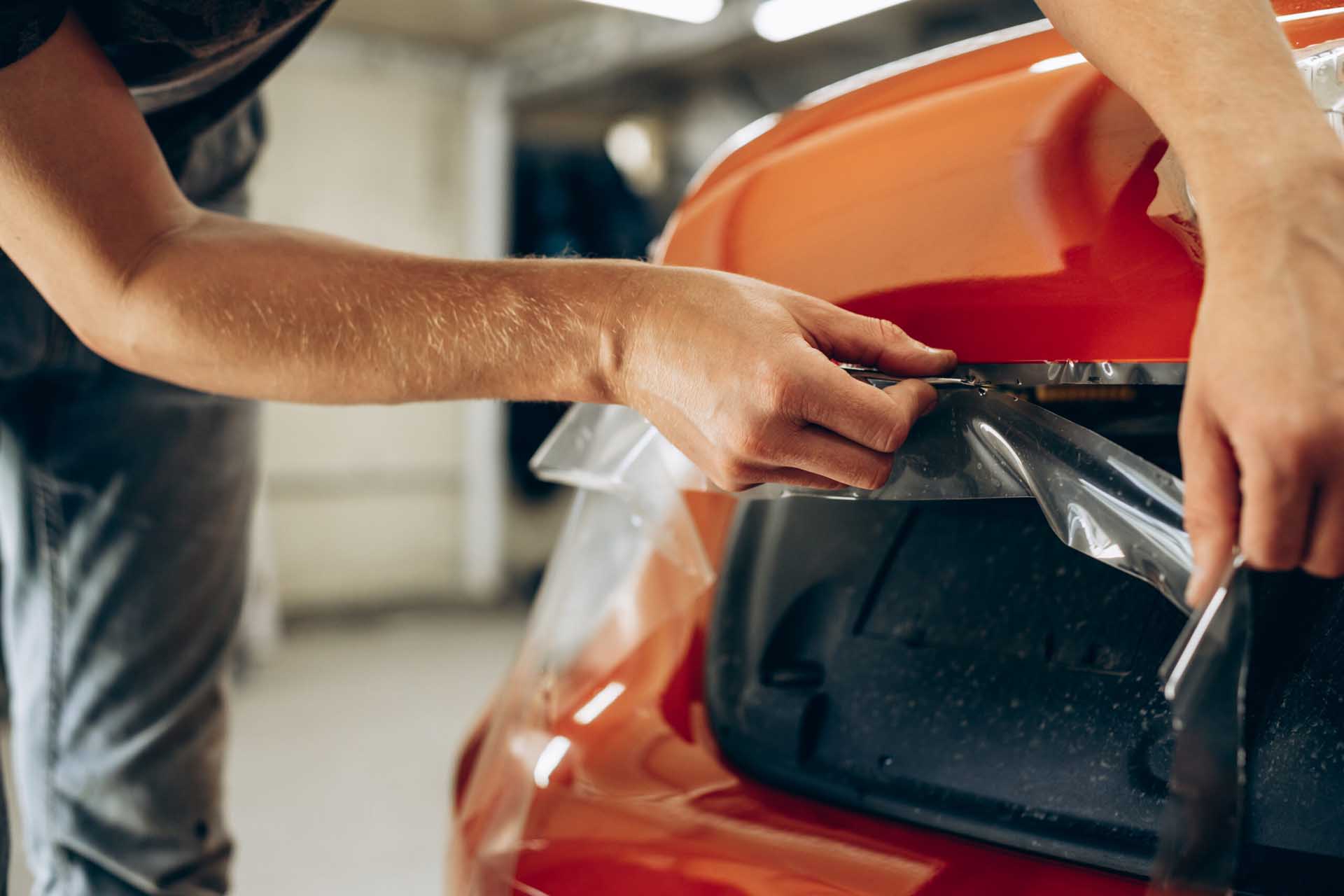
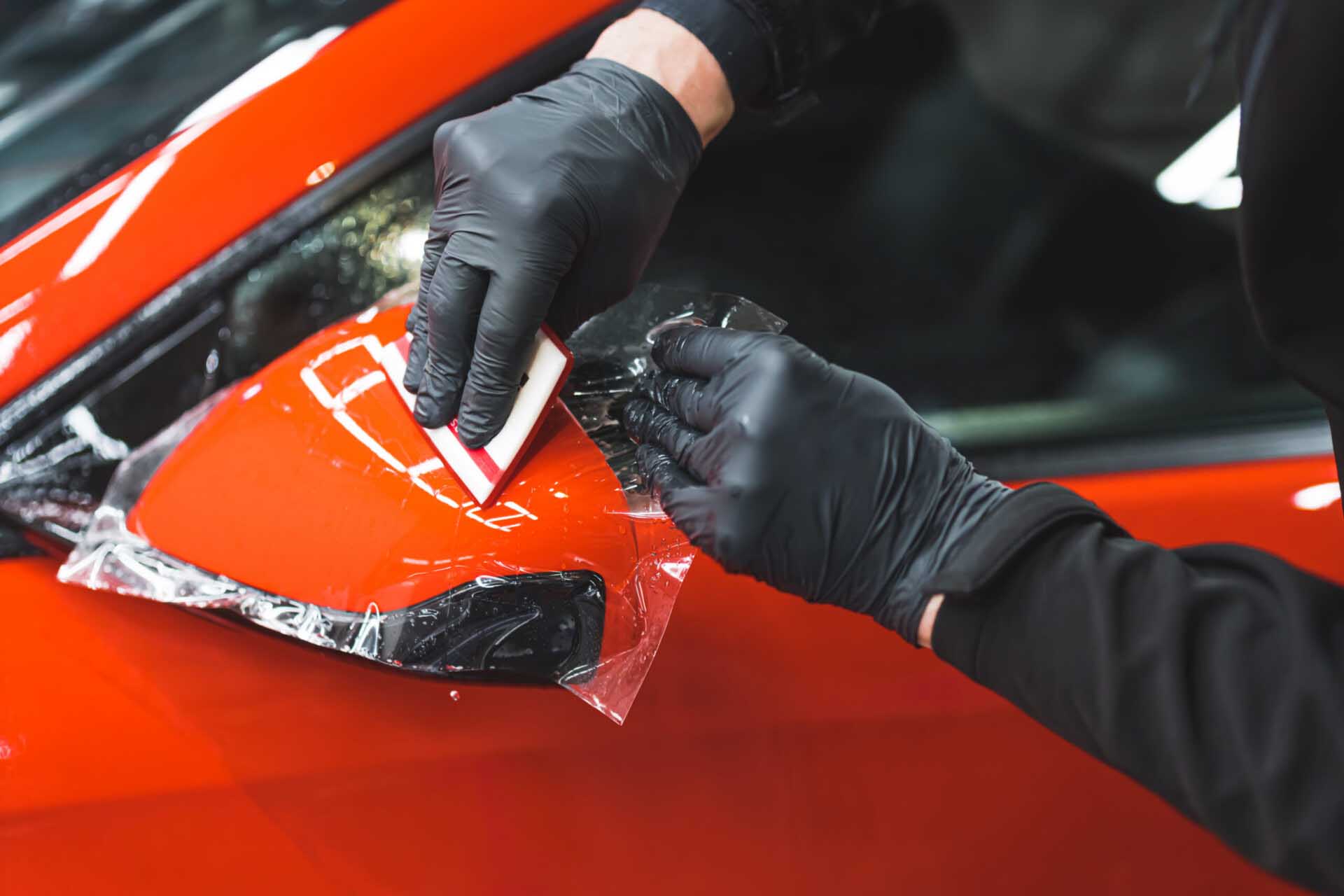
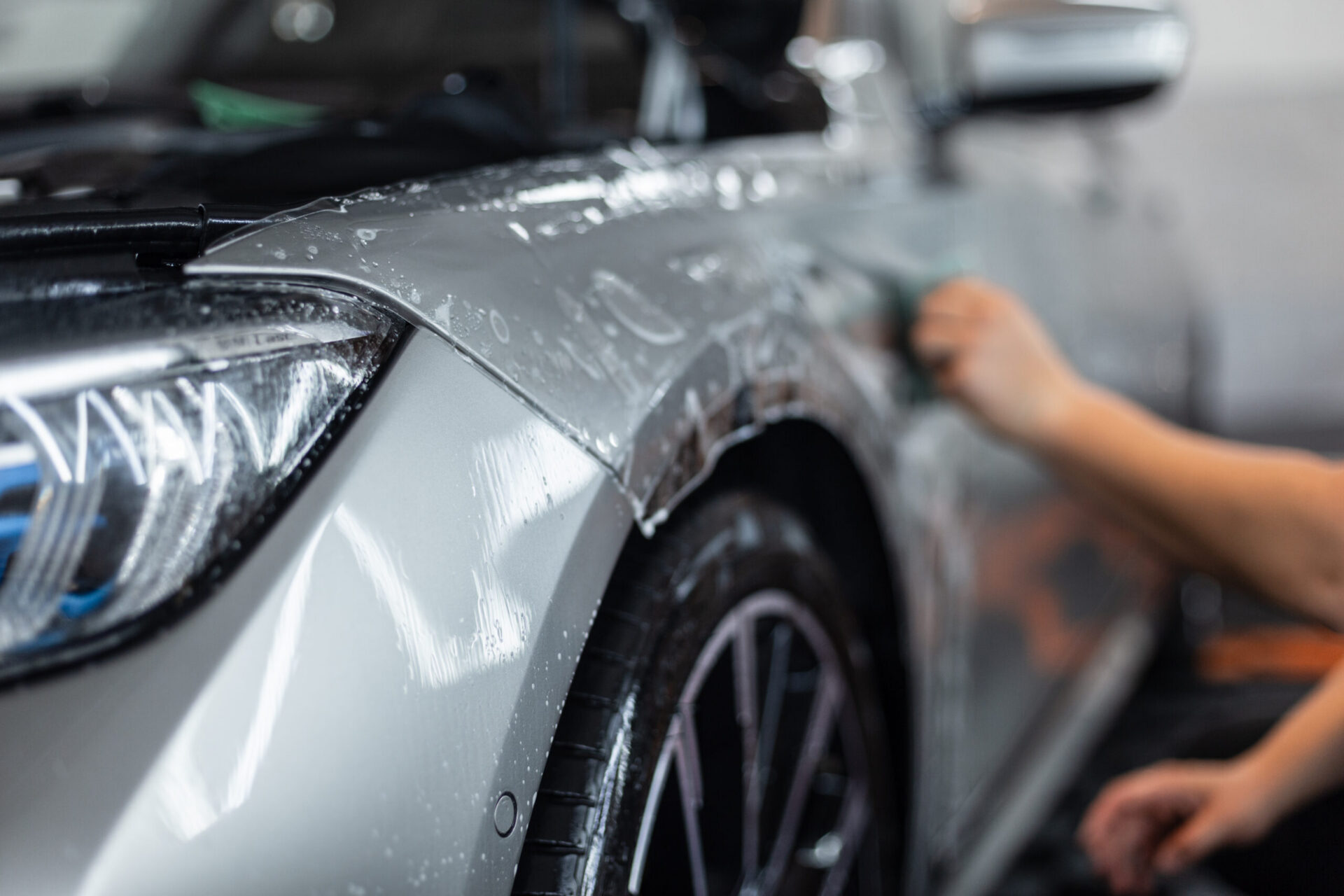
PPF is a polyurethane film, typically 6 to 8 mils thick, cut to the exact dimensions of your car’s panels and applied over the paint. Thickness is the point. The film is thick and elastic enough to absorb the energy of a stone hitting it at highway speed, so the impact stops in the film instead of chipping the clear coat underneath.
Quality film is computer-cut to your car’s make, model, and year, so there is no trimming on the vehicle and no risk of blade marks in the paint. When installed correctly, with edges tucked or wrapped, the film is optically clear and hard to spot in normal light.
What self-healing means
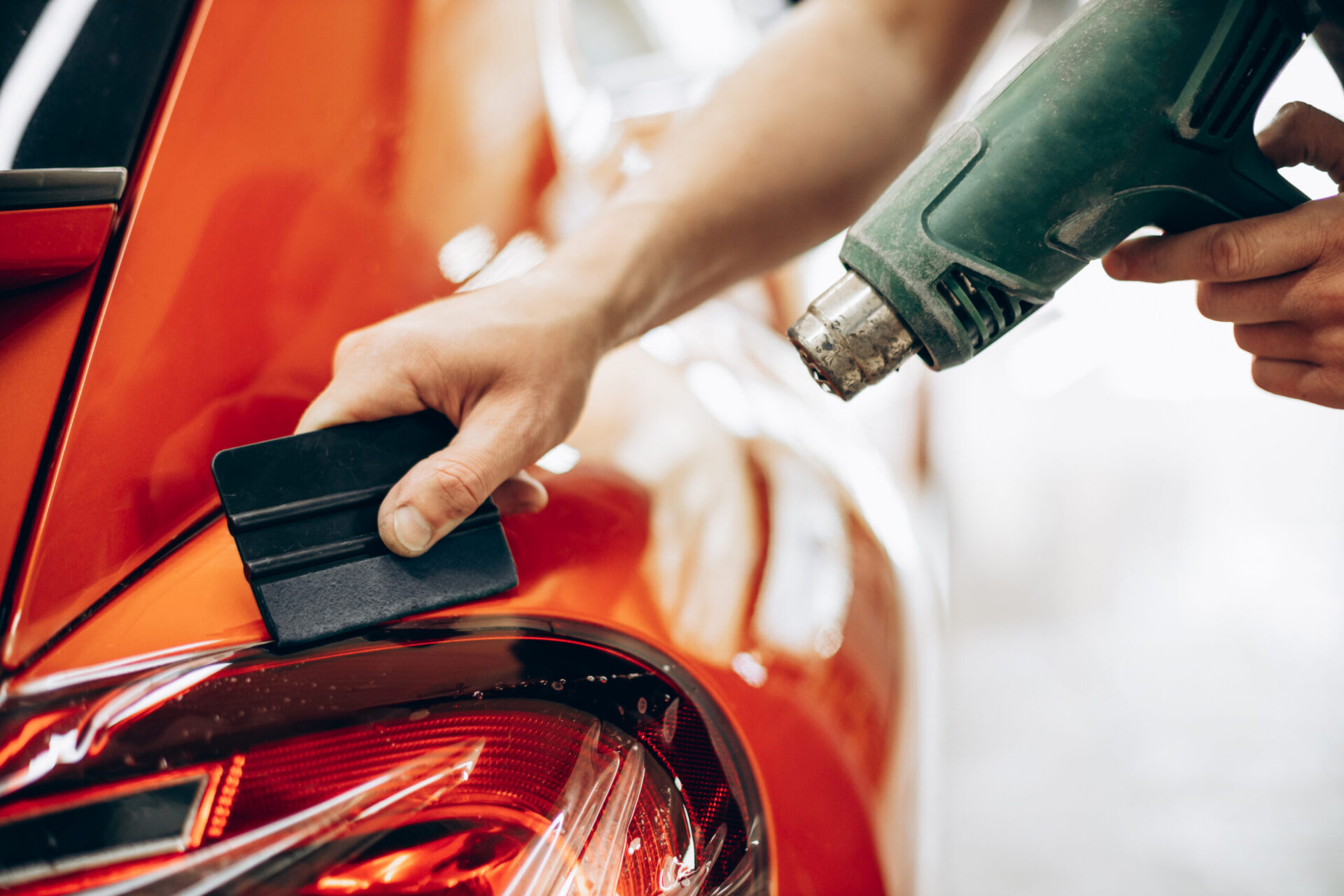
Most modern PPF is self-healing. The top coat is an elastomer with shape memory. When a light scratch or swirl compresses the surface, heat lets the polymer return to its original position, and the mark disappears. Sunlight, warm water, or a heat gun speeds it up. No polishing, no product.
Self-healing applies to surface-level marks in the film’s top coat. A deep cut that goes all the way through the film does not self-repair, but in that case the affected section of film can be replaced without touching the paint beneath it. That is the core value: the film absorbs damage that would otherwise mean panel repair or repainting, and it can be renewed in sections.
PPF vs ceramic coating
This is the question almost everyone asks, and the answer is that they protect against different threats.
| Paint protection film | Ceramic coating | ||
| Main job |
|
Blocks UV and contaminants | |
| Stops stone chips | Yes | No | |
| UV / oxidation protection | Yes, with UV-stable film | Yes | |
| Hydrophobic / easy cleaning | Moderate | Strong | |
| Self-heals light scratches | Yes | No | |
| Thickness | 6–8 mils of film | Microns, bonded to clear coat |
A stone chip at highway speed goes straight through a ceramic coating and into the paint, because a coating is only microns thick and is not designed to absorb impact. PPF is. The most complete setup uses both: film for physical protection, and a ceramic coating applied over the film for UV resistance, water beading, and easier cleaning. You are not really choosing between them, you are deciding whether you want impact protection added to the chemical protection a coating gives.
Coverage options
You do not have to wrap the whole car. PPF is sold in packages based on how much surface you want protected.
- Partial front. Covers the areas that take the most road impact day to day: front bumper, leading edge of the hood, mirrors, and A-pillars. This is the common entry point for meaningful protection without covering the whole car.
- Full front. Extends across the entire hood, full front bumper, fenders, mirrors, headlights, and A-pillars. The recommended package for frequent highway drivers, where stone-chip exposure is highest.
- Full body. Covers every painted exterior surface. The highest level of physical protection, typically chosen for new vehicles and high-value cars.
What PPF costs and how long it lasts
Cost depends on coverage, the vehicle’s size and contours, and the film tier. As a rough guide, a partial front package is the most affordable entry point, a full front sits in the mid range, and a full body installation is a multi-day job priced accordingly. Because pricing varies so much by vehicle and coverage, the only accurate number comes from an in-person assessment.
Professional-grade film installed by certified technicians typically lasts five to ten years, depending on the product, maintenance, and exposure. In Florida’s UV-heavy climate, film with UV inhibitors matters, since cheaper film can yellow or degrade at the adhesive over time. Quality film carries a manufacturer warranty.

Is PPF worth it?
It is worth it when:
- The car is new or high-value and you want to keep the factory paint chip-free.
- You drive highways often, where stone chips and debris are most likely.
- You plan to keep the car for years, long enough to use the film’s lifespan.
- Resale matters, and you want the original paint intact at trade-in.
It is less compelling on an older car you are not precious about, or one you will sell within a year. And it is not a substitute for a ceramic coating if your main goal is water beading and easy washing rather than impact protection. Many owners get the most out of combining the two.
Why paint correction comes first
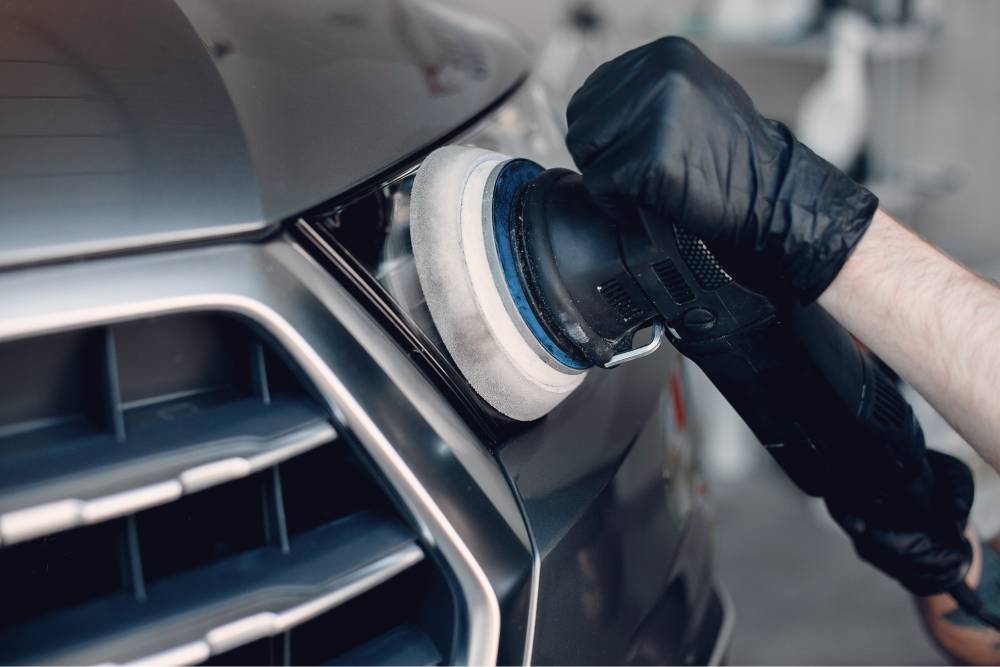
PPF is optically clear, which means any swirl marks, oxidation, or scratches in the paint show through the film, sometimes more visibly than before. Applying film over compromised paint seals those defects under a layer that is difficult and costly to remove. That is why a proper installation starts with a paint inspection and, where needed, paint correction before the film goes on. The film should be protecting a corrected, decontaminated surface, not covering a damaged one.
FAQ
PPF protects against physical damage: stone chips, road debris, parking-lot scratches, and abrasive contact. The film absorbs the impact instead of the paint, and self-healing film recovers from light surface scratches with heat. It does not replace a ceramic coating’s UV and contaminant protection, which is why the two are often combined.
For new or high-value cars, frequent highway driving, and owners who keep their cars for years, yes. PPF prevents the chips and scratches that lower resale and require repainting. It is less worthwhile on an older car you plan to sell soon.
Professional-grade PPF typically lasts five to ten years, depending on the product tier, maintenance, and sun exposure. In Florida, UV-stable film is important to prevent yellowing, and quality film carries a manufacturer warranty.
They do different things. PPF absorbs physical impact like stone chips; a ceramic coating blocks UV and makes the surface hydrophobic and easy to clean. The most complete protection is both, with the coating applied over the film. If you can only choose one, base it on your main concern: chips and scratches point to PPF, UV and easy maintenance point to coating.
Protecting a new car?
Auto Body Lab installs computer-cut, professional-grade paint protection film, in partial front, full front, and full body packages, at 15150 W Dixie Hwy in North Miami Beach. Every install is done by certified installers in a controlled, dust-free environment, and starts with a paint assessment so the film goes over a corrected surface. We serve North Miami Beach, Aventura, Sunny Isles, Hallandale, and North Miami.