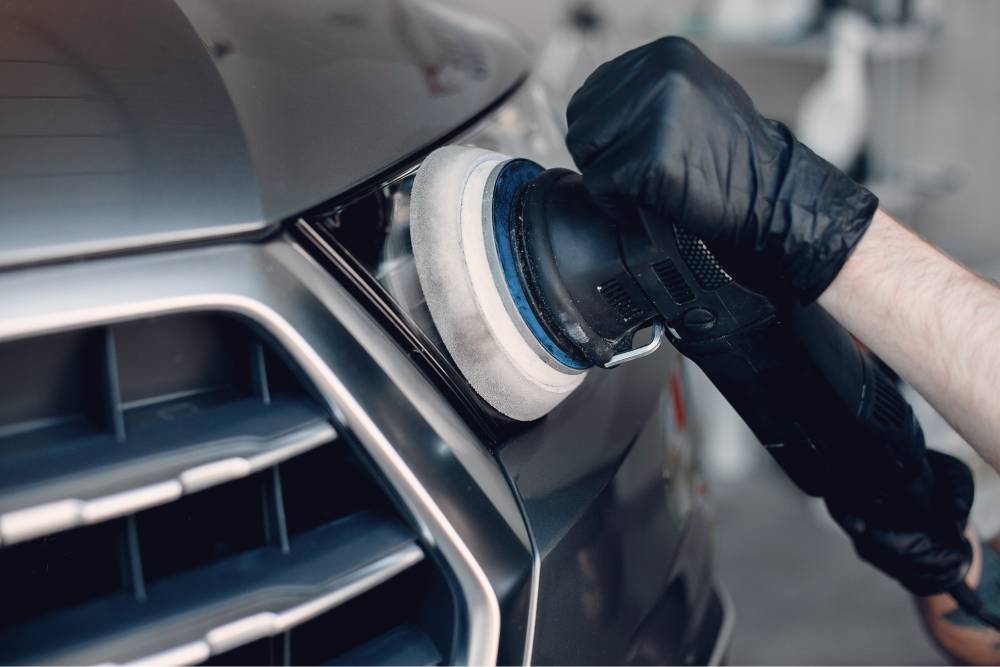


Yes, car insurance covers hail damage, but only if you carry comprehensive coverage. Hail is a weather event, so it falls under comprehensive, not collision. If you have comprehensive on your policy, storm and hail damage is a covered loss, and you typically pay your deductible while insurance covers the rest of the documented repair. If you carry only liability, hail damage is not covered, and the repair is out of pocket.
That one distinction, comprehensive versus collision, is what the whole question turns on. Here is how hail coverage actually works, what it costs you, and how the claim plays out in a state that sees a lot of storms.
Why comprehensive is the coverage that pays
Auto policies split physical damage into two buckets. Collision covers impact with another vehicle or object. Comprehensive covers almost everything else that can damage a car when it is not in a collision: weather, hail, flood, fire, theft, vandalism, and animal strikes. Hail lands squarely in comprehensive.
This trips people up because hail does dent the car, and “collision” sounds like it should apply. It does not. Collision is specifically about impact you drive into. A storm dropping ice on a parked car is a comprehensive loss. If you are unsure what you carry, check your declarations page: it lists comprehensive and collision separately, each with its own deductible.
What you pay: the deductible
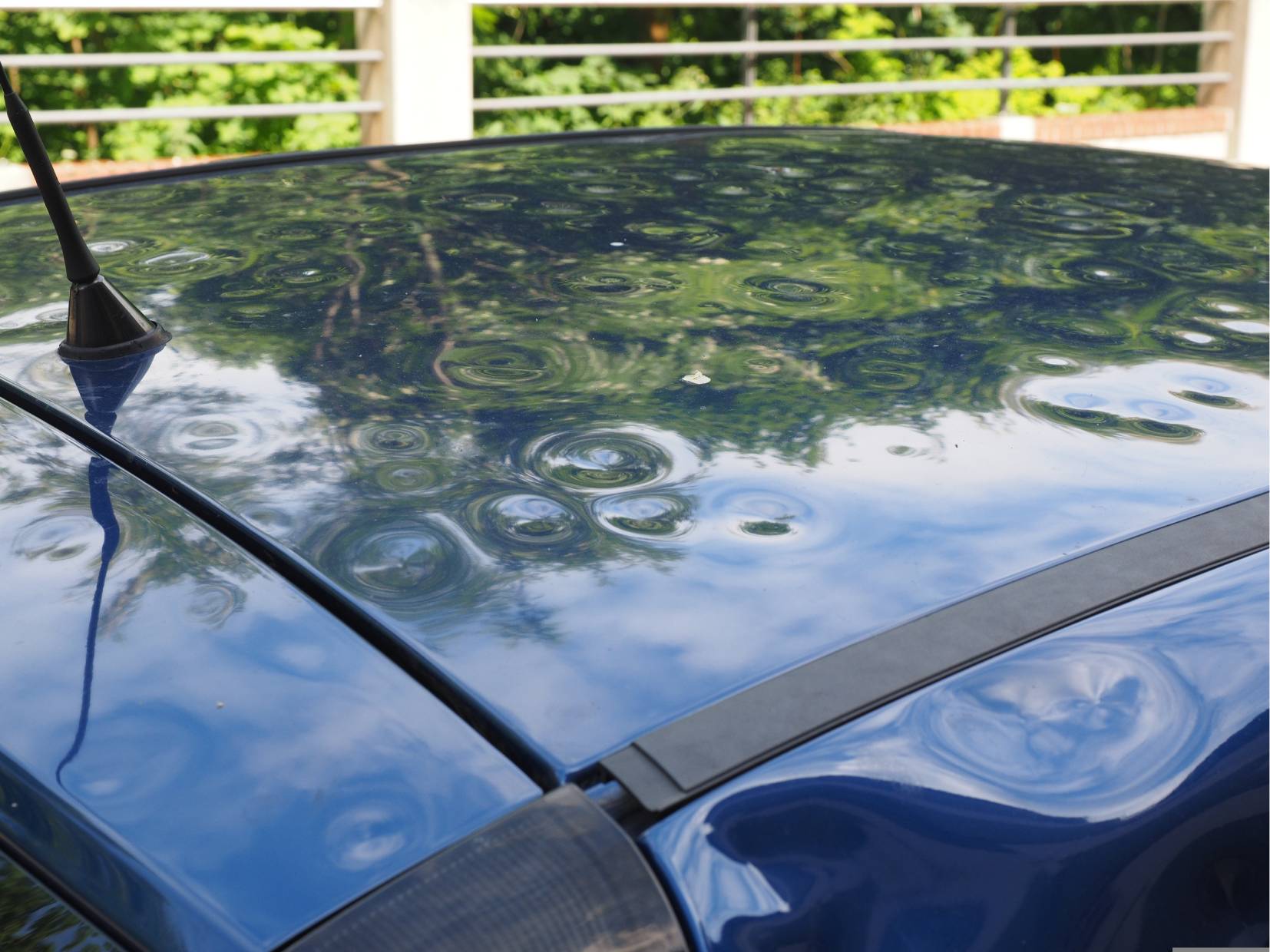
Comprehensive coverage comes with a deductible, the amount you pay before insurance covers the rest. Common comprehensive deductibles run from $250 to $1,000. If your hail repair comes to $3,000 and your deductible is $500, you pay $500 and insurance pays $2,500.
Because hail often damages many panels at once, the repair total is frequently well above the deductible, which is what makes filing worthwhile. The opposite is also true: if a light storm left only a couple of small dents and the repair is near your deductible, paying out of pocket may make more sense than filing.
Will a hail claim raise your rates?
Comprehensive claims generally affect premiums less than at-fault collision claims, because hail is not something you caused. Many insurers treat weather events differently from accidents. That said, it varies by insurer, by your claims history, and by how many comprehensive claims you have filed recently, so it is not a guarantee. For a single hail claim on an otherwise clean record, the rate impact is usually limited.

When hail makes a car a total loss
Insurance does not always pay to repair. If the hail damage is severe enough that the repair cost approaches or exceeds the car’s actual cash value, the insurer may declare it a total loss and pay you the car’s value instead, minus your deductible. This is more common with older cars, where the value is lower, so even moderate hail can tip past the threshold. Actual cash value reflects what the car was worth just before the storm, based on age, mileage, and condition. If you owe more than that on a loan or lease, gap insurance is what covers the difference.
How a hail claim works, step by step
The process is smoother when you know the order of operations:
- Document the damage. Photograph the whole car and close-ups of dents in good light, ideally soon after the storm.
- Note the storm details. Date, rough time, and location. Insurers cross-check claims against weather records.
- Confirm your coverage. Check that you carry comprehensive and note your deductible.
- File the claim. Contact your insurer or have your shop help start it. You will get a claim number and an adjuster.
- Get a professional assessment. A shop documents the full panel-by-panel damage, which is what the adjuster needs to approve the complete repair.
- Approval and repair. Once the scope is approved, work begins. You pay your deductible; insurance covers the documented balance.
You generally have the right to choose your own repair shop, regardless of what the insurer suggests. A shop that documents the scope thoroughly and works with the adjuster directly tends to get more of the repair approved.
Why documentation decides the outcome
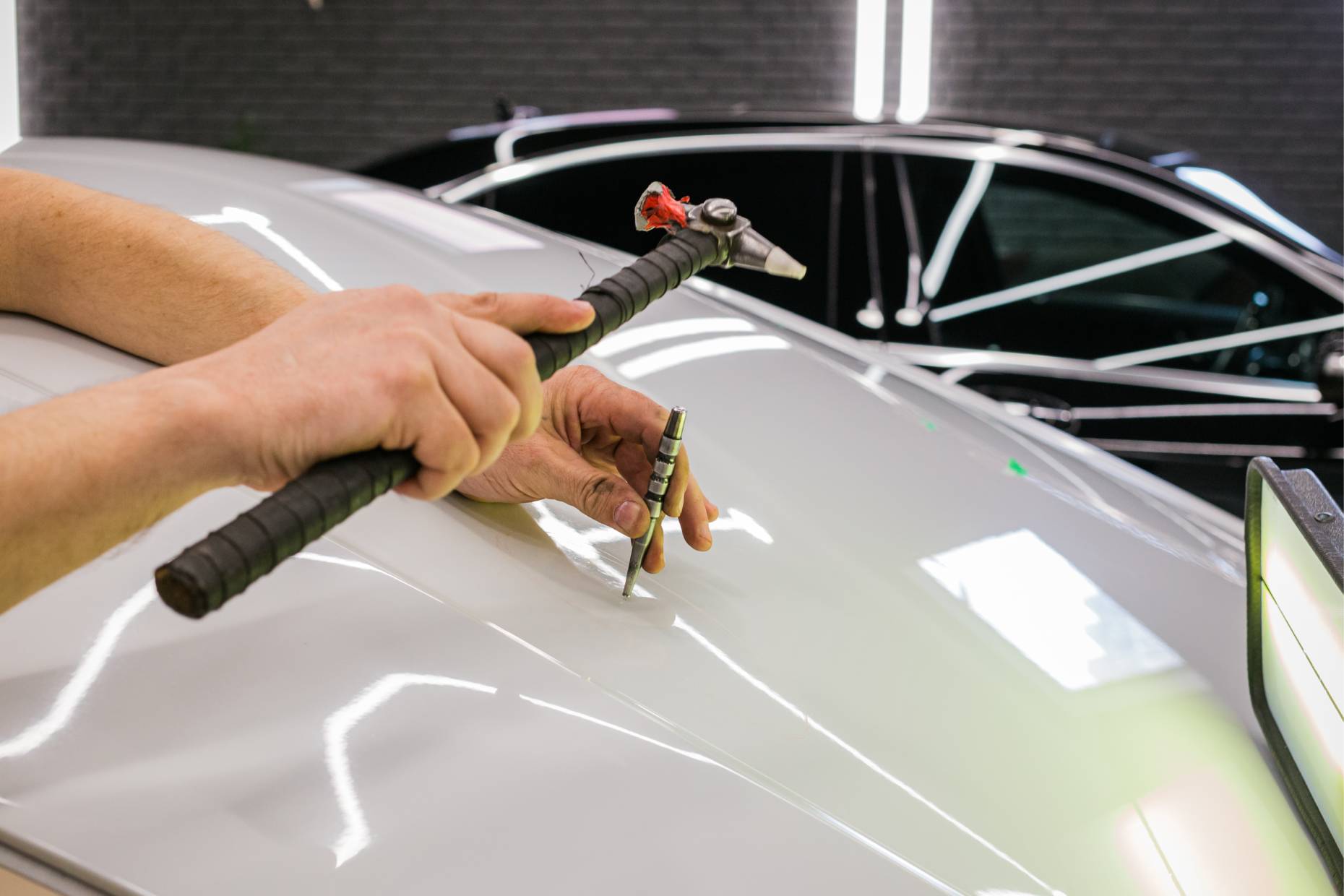
Hail is a high-volume claim type in Florida, and the documentation standard is what separates a fully paid claim from an underpaid one. Because hail affects many panels, the full scope has to be established and documented before repairs begin. A detailed panel-by-panel report with photos supports an accurate claim and gets approved faster. The standard repair method, paintless dent repair, works the dents out without repainting and preserves the factory finish, which is also the method insurers prefer for hail.
A note on filing windows and waiting
Most insurers set a window for filing after a storm event, so waiting too long can complicate or even void a claim. There is also a practical reason not to delay: where hail cracked the paint, exposed metal can begin to corrode, and Florida’s humidity speeds that up. Getting the assessment and claim moving soon after the storm protects both your coverage and the car.
FAQ
Yes, if you carry comprehensive coverage. Hail is a weather event covered under comprehensive, not collision. With comprehensive, you pay your deductible and insurance covers the documented repair. Liability-only policies do not cover hail damage.
Comprehensive. Collision covers impact with another vehicle or object that you drive into. Hail, like flood, fire, theft, and animal strikes, falls under comprehensive coverage.
Usually less than an at-fault collision claim, because hail is a weather event you did not cause, and many insurers treat it differently. The actual impact varies by insurer and your claims history, so it is not guaranteed, but a single hail claim on a clean record typically has limited effect.
Yes. If the repair cost approaches or exceeds the car’s actual cash value, the insurer may declare it a total loss and pay the car’s value minus your deductible. This is more likely on older, lower-value cars where even moderate hail can exceed the threshold.
This guide is general information, not insurance advice. Coverage terms vary by policy and insurer, so check your own declarations page for specifics.
Hail claim in North Miami Beach?
Auto Body Lab repairs hail damage and handles the comprehensive claim alongside it at 15150 W Dixie Hwy in North Miami Beach. We assess every panel, document the full damage for your adjuster, and work directly with major insurers including GEICO, State Farm, Progressive, and Allstate. You choose the shop, and you leave with the factory finish intact.