Your car rolls out of the wash looking perfect for about three days. Then the water spots come back, the dust sticks, the paint loses its depth. If you’ve looked into how to fix this long-term, you’ve probably seen ceramic coating come up — usually with prices that make you stop and ask whether it’s actually worth it.
Here’s what it is, what it does, and how to figure out if it makes sense for your car.
Ceramic coating is a chemical bond applied over factory paint that repels water, blocks UV, and adds gloss — lasting two to five years versus weeks for wax. Professional application costs $700–$1,850 for most vehicles in the U.S., with Florida labor rates at the higher end. It won’t protect against rock chips or fix existing paint damage — those require PPF and paint correction respectively. It makes the most sense on cars in good paint condition that park outside regularly.
What ceramic coating actually is
Ceramic coating is a liquid polymer applied to a car’s exterior that bonds chemically with the factory paint. Once it cures, it forms a hard, semi-permanent layer on top of the clear coat — not a film that sits on the surface, but a bond that becomes part of it.
The base material is silicon dioxide (SiO₂), sometimes combined with titanium dioxide for additional hardness. This is what gives ceramic coatings their characteristic properties: extreme water repellency, resistance to UV, and a gloss that doesn’t wash off.
The key word is bonded. A wax sits on top of the paint and washes away gradually. A ceramic coating doesn’t. Professional-grade coatings carry warranties from two to five years, and some manufacturer-applied products claim longer. The trade-off is that application requires preparation — sometimes significant preparation — and the coating is permanent enough that removing it requires machine polishing.
What it does — and what it doesn’t
What ceramic coating does well:
Water beads and runs off the surface instead of sitting on it and evaporating into spots. Dust and light contamination don’t stick as aggressively, so washing takes less time and contact with the surface. UV rays break down paint over time, causing oxidation and fading — a ceramic layer slows that process. Gloss depth increases because the coating surface is harder and more uniform than clear coat alone.
In South Florida specifically, UV exposure is among the highest in the country. A car parked outside year-round loses paint clarity faster here than in most other states. Ceramic coating doesn’t stop that process, but it meaningfully slows it down.
What ceramic coating doesn’t do:
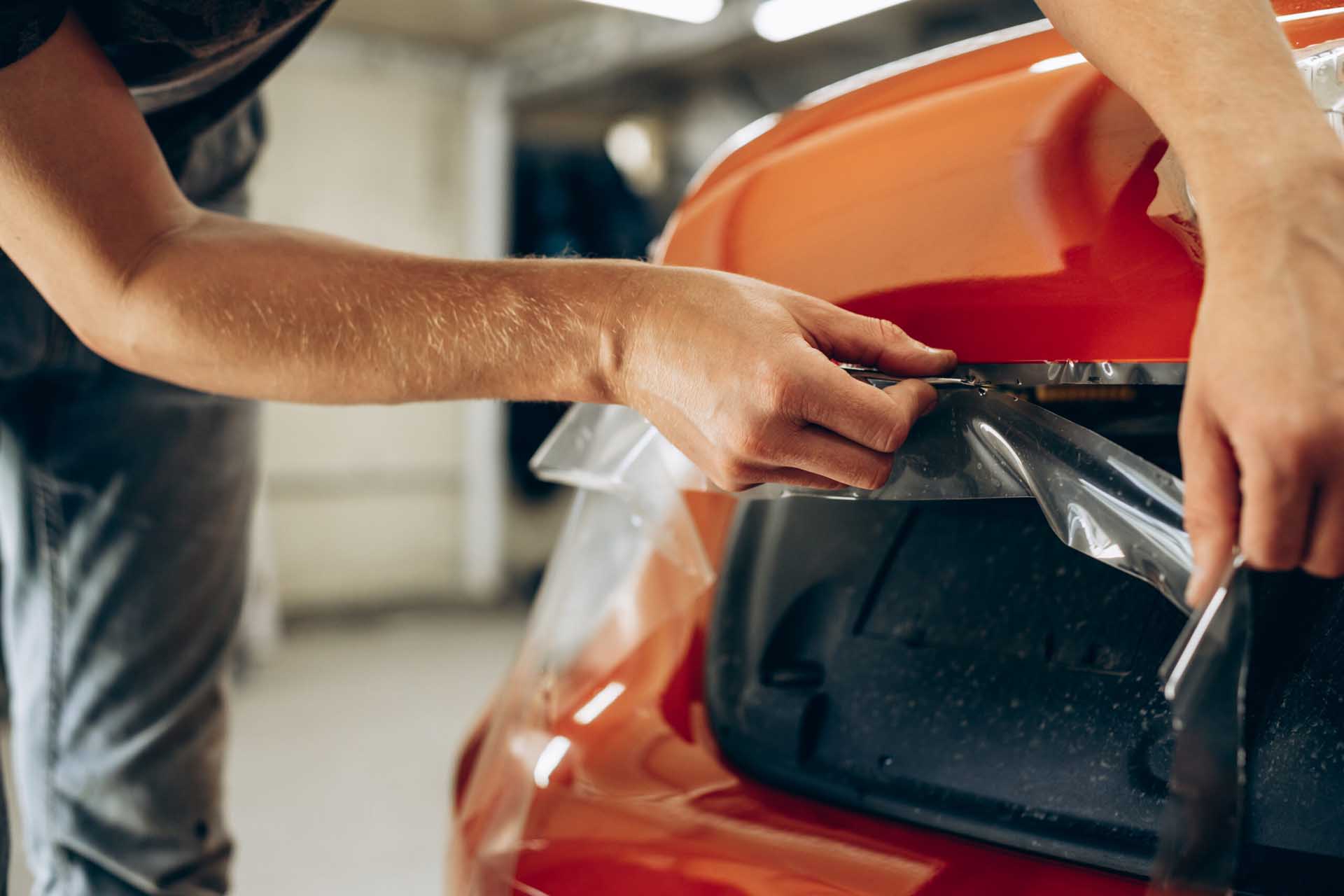
It won’t protect against rock chips or door dings. The coating is hard but thin — measured in microns. A piece of gravel at highway speed has enough force to cut through clear coat, ceramic coating included. For chip protection, paint protection film (PPF) is the right product; it has physical thickness that absorbs impact.
Ceramic coating also won’t fix paint that’s already in poor condition. Swirl marks, oxidation, and surface scratches need to be corrected before coating goes on — otherwise you’re locking those defects under the coating. This is why professional applications often include a paint correction step, which adds to the cost but is not optional on a car with existing surface damage.
What the process actually involves
A proper ceramic coating job is 80% preparation, 20% application. The coating chemistry itself goes on relatively quickly — everything before it is what takes time and determines the result.
Decontamination — washing the car thoroughly, then using a clay bar or chemical decontamination to remove embedded particles from the paint surface. This step is often skipped with DIY applications and is part of why professional results differ.
Paint correction — if the paint has swirls, light scratches, or oxidation, this is addressed before coating. Machine polishing removes a thin layer of clear coat to level the surface. On a car in good condition, this step may be minimal. On a car that’s been washed with a dirty sponge for five years, it can take several hours.
Panel wipe — removing all polish residue and oils from the surface with an IPA (isopropyl alcohol) solution so the coating bonds to clean paint, not contamination.
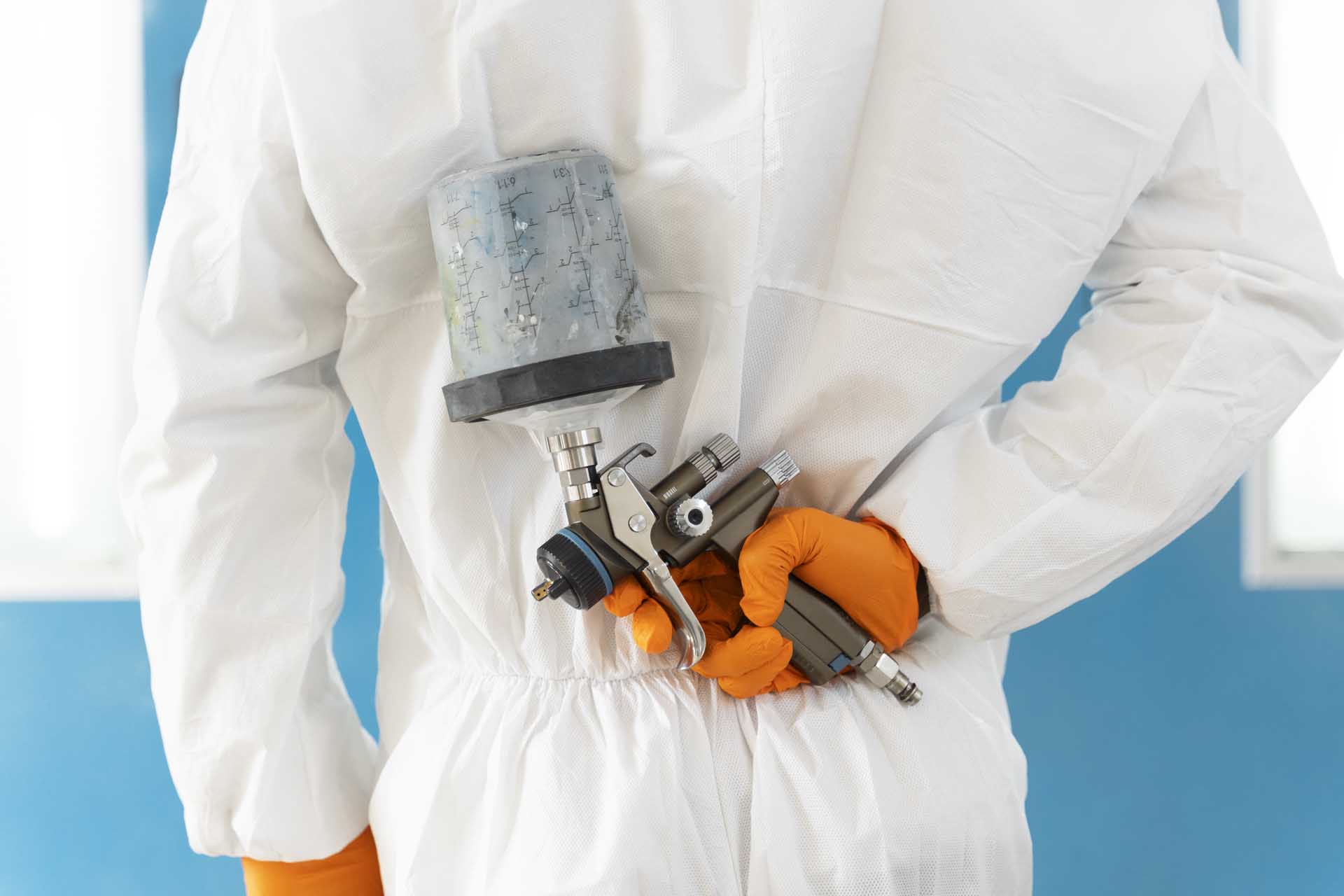
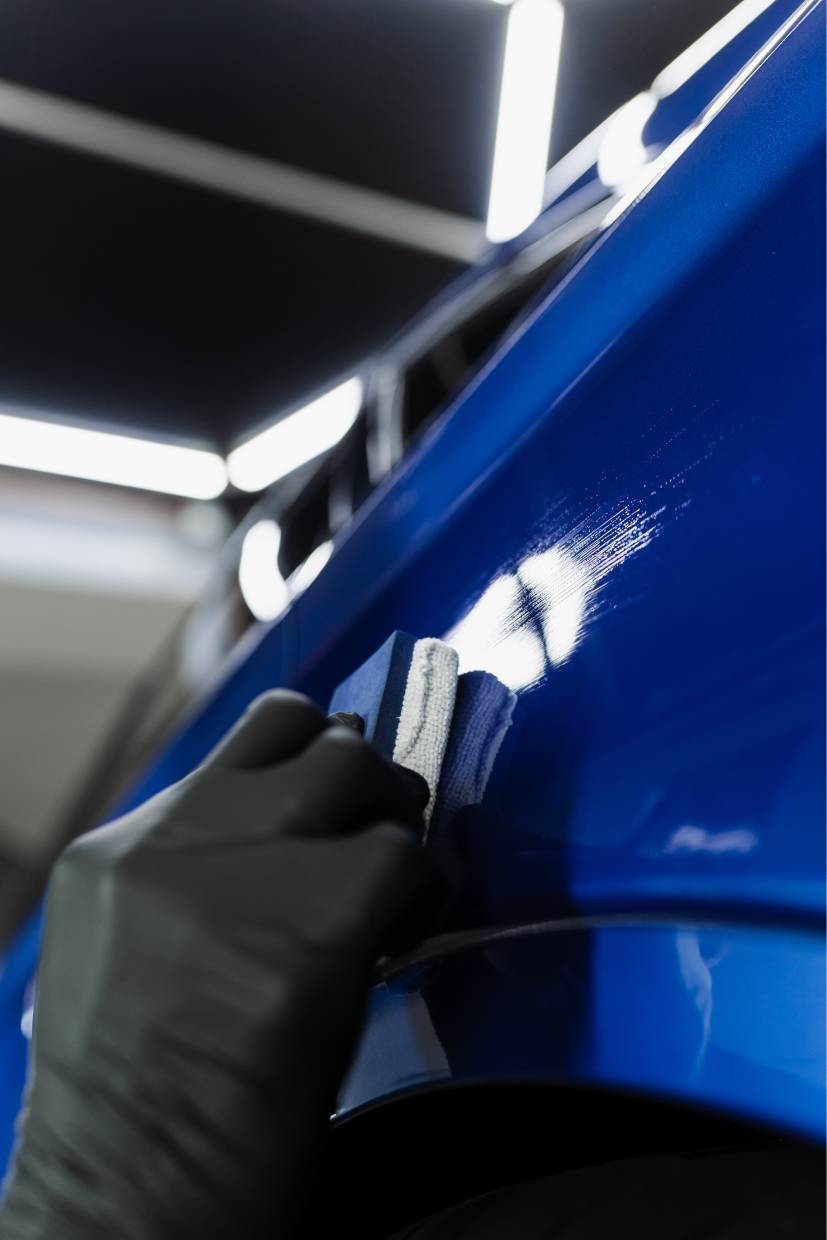
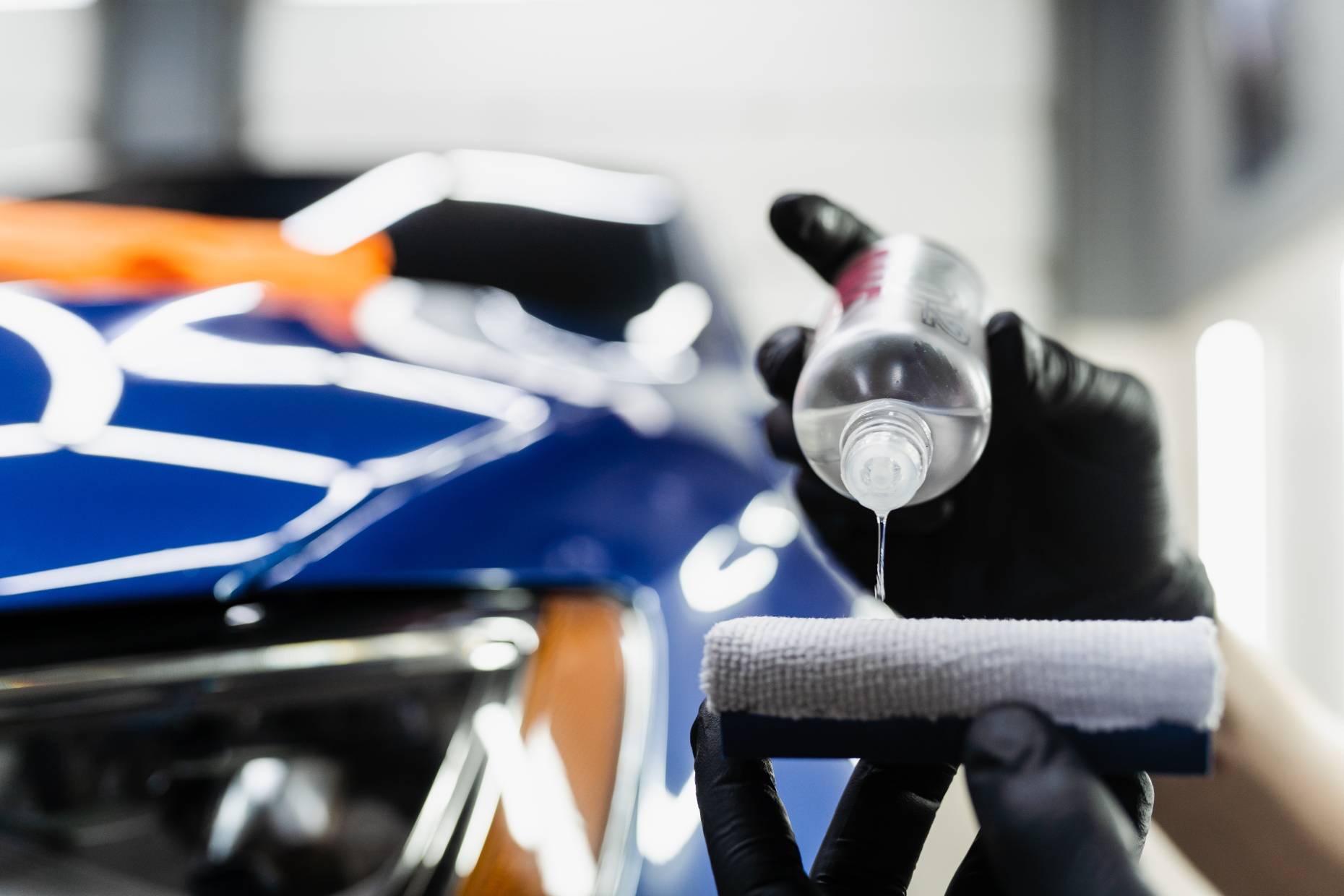
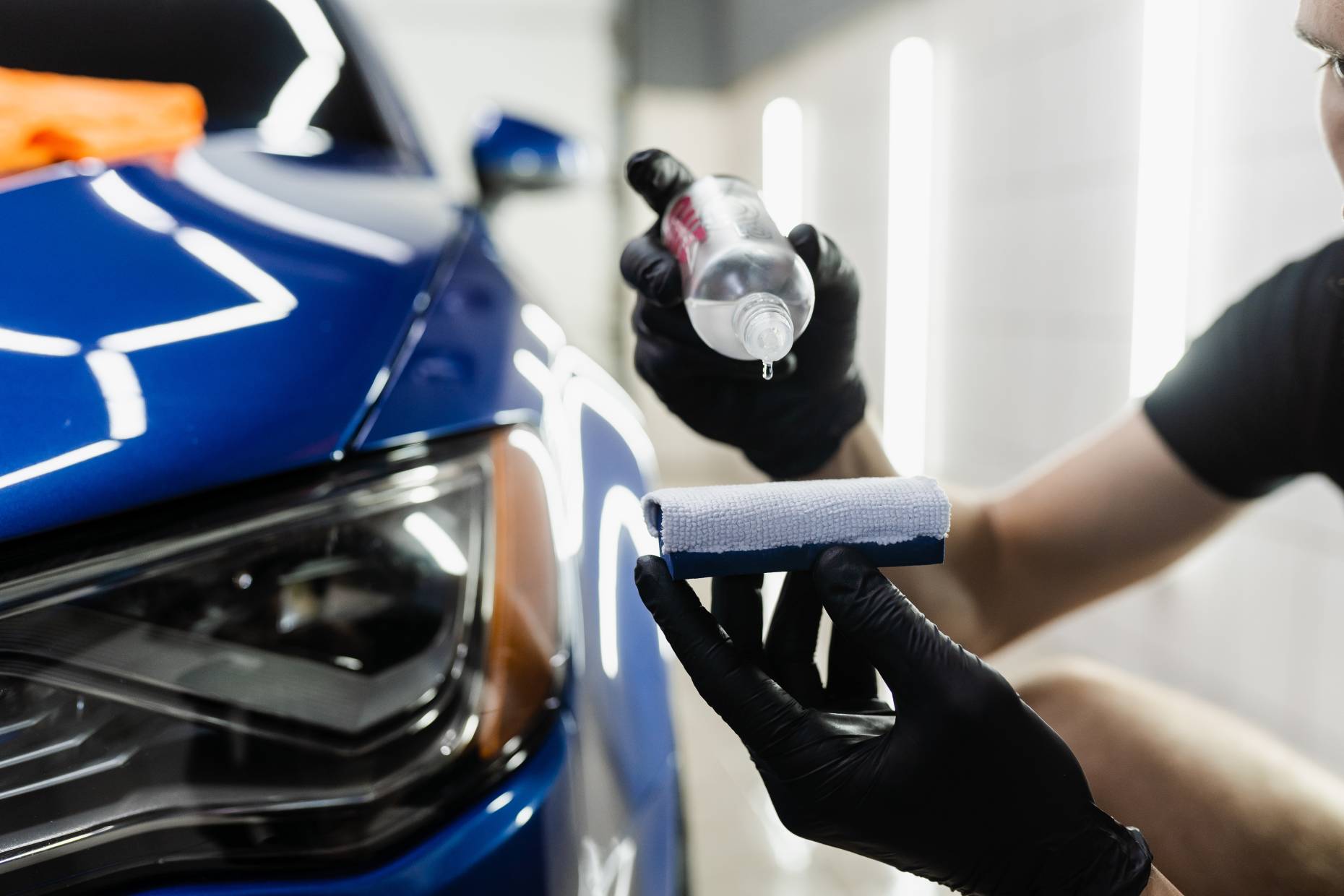
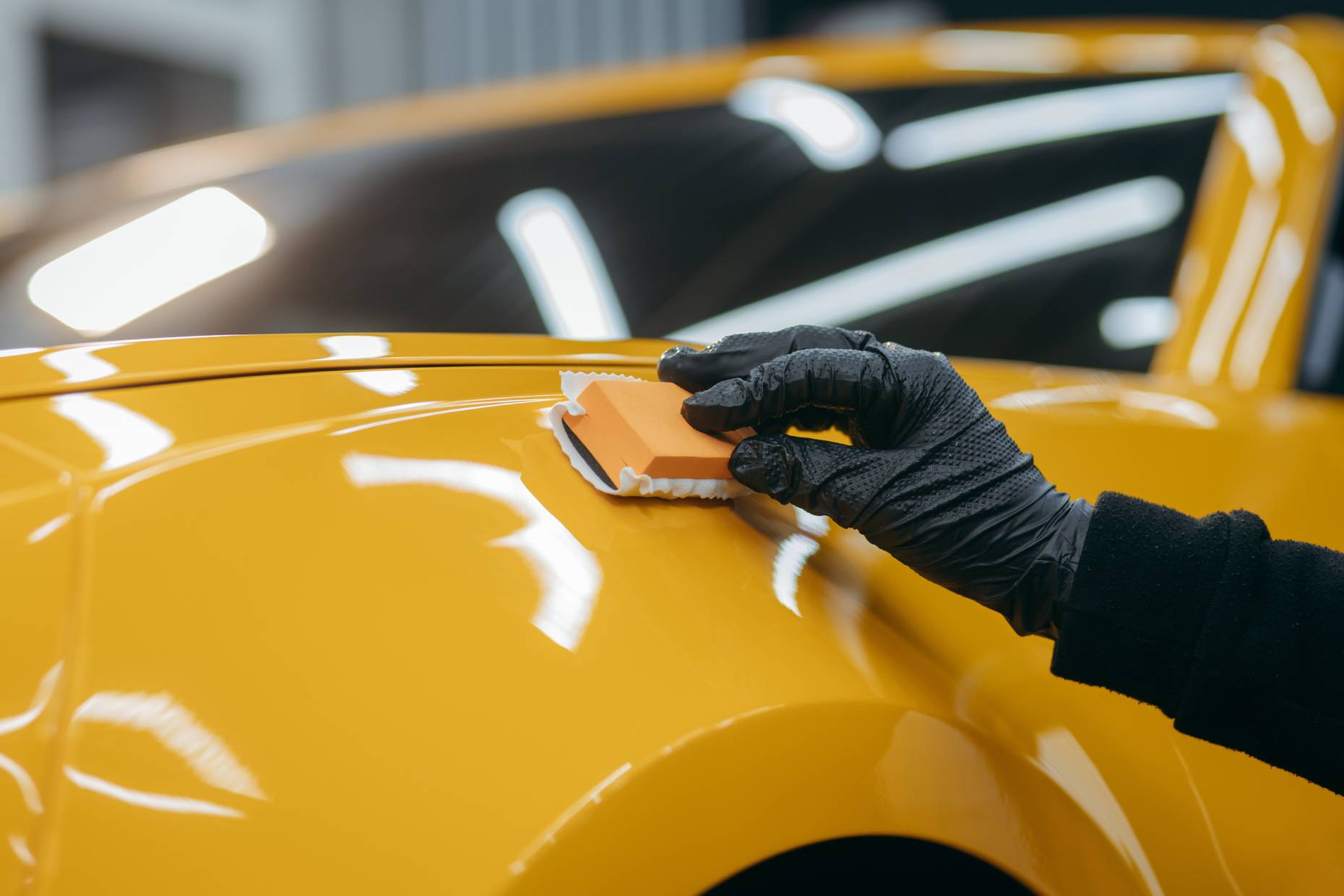
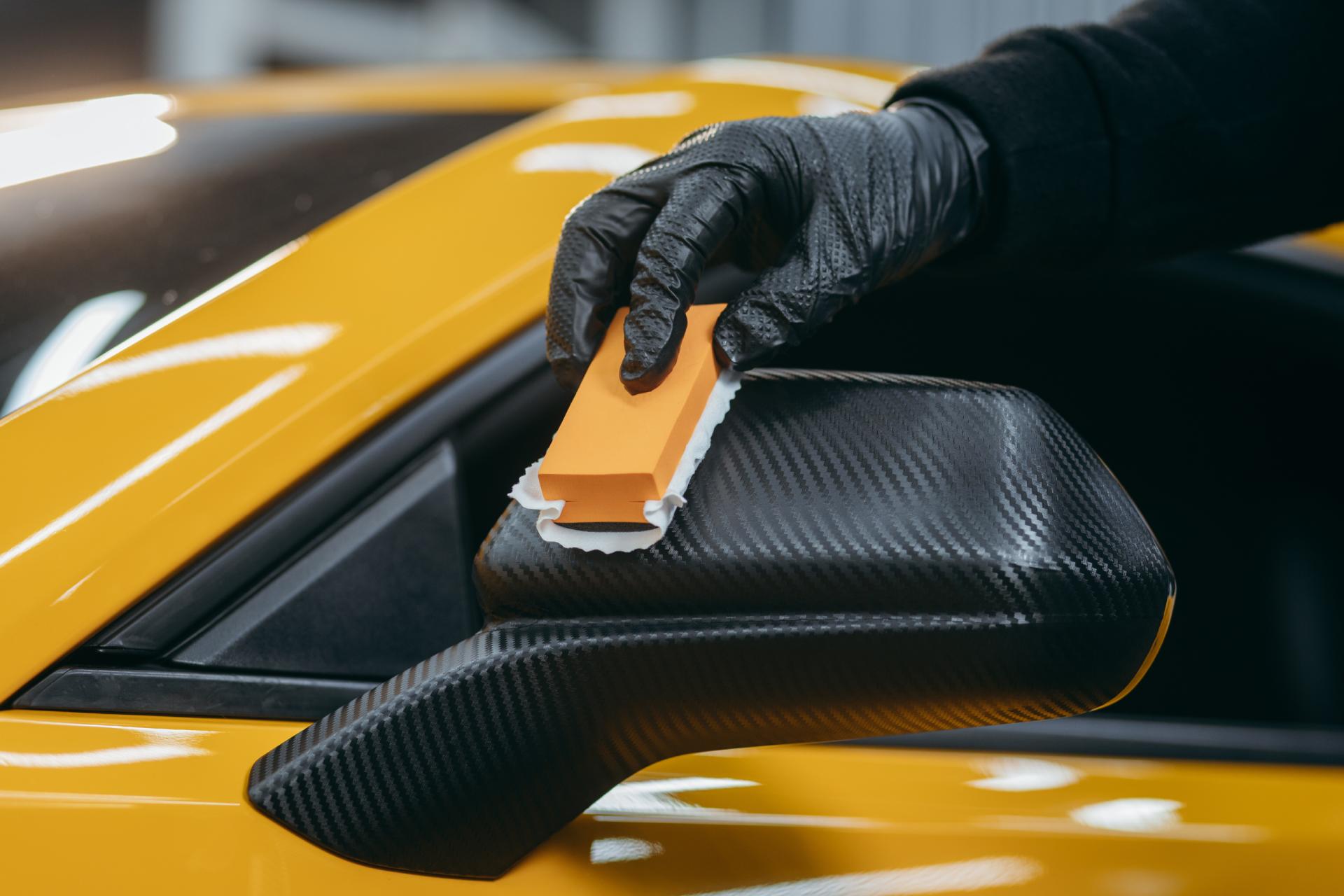
Coating application — applying the ceramic product panel by panel, working it into the surface and removing excess before it flashes. Timing matters: too slow in high heat and the coating hazes before it can be leveled properly.
Cure time — most professional coatings require 24 to 48 hours before exposure to water. Some require longer before full hardness is reached.
What it costs in the U.S.
Professional ceramic coating for most passenger vehicles runs $700 to $1,850 depending on vehicle size, paint condition, and the coating product used. Larger vehicles and those requiring significant paint correction land toward the top of that range or above it.
A broader breakdown: compact cars typically fall in the $600 to $1,200 range, midsize vehicles and SUVs from $900 to $1,800, and larger vehicles or multi-year premium packages from $1,500 to $3,000 or more. In Florida, labor rates push prices toward the higher end of these ranges.
Most of the cost is labor, not the product. The coating material itself is a fraction of the total — what you’re paying for is the hours of surface preparation that determine whether the result lasts two years or five.
DIY ceramic products exist at $50 to $200 for materials. The coating chemistry in consumer kits is generally less concentrated than professional products, and without proper decontamination and paint correction, results are inconsistent. Some car owners are happy with the outcome. Others find they’ve locked in swirl marks they didn’t know were there.
Is ceramic coating right for your car?
It depends on two things: the current condition of your paint and how long you plan to keep the car.
Ceramic coating makes the most sense when the paint is in good condition — or when it’s worth correcting first — and when you’re keeping the car long enough to get value from multi-year protection. The logic is straightforward: you’re paying to preserve what you have. A three-year-old car that parks outside in Miami and gets washed regularly is an obvious candidate. A car with heavy oxidation, deep scratches, or six months left before you trade it in is not.
The other question is maintenance expectations. Ceramic coating doesn’t eliminate washing — it makes washing easier and less damaging, but a coated car still needs regular attention. If that changes how you’ll actually use the car, factor it in.
Ceramic coating vs. wax vs. PPF
Three products, three different jobs:
Wax sits on top of paint, adds gloss, lasts weeks to a few months. Easy to apply, easy to remove, no commitment. Fine for cars where appearance is occasional maintenance.
Ceramic coating bonds to paint, adds gloss and protection, lasts years. Requires professional prep and application for best results. Right for owners who want long-term reduction in washing effort and UV protection.
Paint protection film is a physical film that absorbs impact. Protects against rock chips, road debris, and light scratches in a way ceramic coating can’t. Significantly more expensive. Right for owners who want physical protection, not just surface chemistry.
The two products aren’t mutually exclusive — PPF can be applied first, with ceramic coating on top to add hydrophobic properties to the film surface. For full protection on a new or high-value vehicle, this combination is increasingly common.
FAQ
Yes, but not easily. It requires machine polishing, which also removes some clear coat. Worth knowing before you apply it: it’s not reversible with a wash.
Not much, but it does require the right kind. Wash with a pH-neutral soap, avoid abrasive wash media, and skip drive-through automatic washes. The coating does most of the work; you just need to avoid products that strip it.
Professional-grade coatings typically carry two to five year warranties. Longevity depends on the coating product, how the car is washed — automatic car washes with brushes degrade coatings faster — and how much UV and environmental exposure the car sees.
Thinking about ceramic coating for your car?
At AutoBodyLab, we apply professional ceramic coatings and assess paint condition before recommending whether correction is needed first. If your car is a good candidate, we’ll tell you. If it isn’t, we’ll tell you that too.