Florida does one thing to car paint that most drivers underestimate: it attacks from two directions at once. The UV index in Miami sits higher than in Los Angeles for most of the year. Add humidity that rarely drops below 60%, and the question of how to protect your clear coat stops being cosmetic — it becomes structural.
For a daily driver parked outside in Florida sun, ceramic coating outlasts wax by years, not months — and costs less over time once you factor in how often wax needs reapplication in extreme heat. Wax still makes sense for garage-kept cars, short ownership windows, or paint that isn’t ready for coating yet.
Ceramic Coating vs. Wax — What’s the Real Difference?
They solve different problems. Wax sits on top of your clear coat as a sacrificial layer. Ceramic coating bonds chemically with it. That distinction changes everything about how each product performs in Florida conditions.

What Wax Does — and Where It Stops
Paste or liquid carnauba wax creates a thin protective film that deflects light dust, minor water spots, and UV rays. In moderate climates, a quality wax job holds three to four months.
In Florida, that timeline shrinks fast. Heat above 90°F softens wax. Direct sun on a dark hood in August pushes surface temps past 160°F — at that point the wax layer breaks down, water stops beading, and the clear coat is exposed. Most Florida drivers who wax consistently are re-applying every six to eight weeks just to maintain basic coverage.
Wax also does nothing against chemical etching. Bird droppings, tree sap, and the mild acid in Florida’s frequent afternoon rain can start eating into clear coat within hours. Wax delays that. It doesn’t stop it.
What Ceramic Coating Actually Is
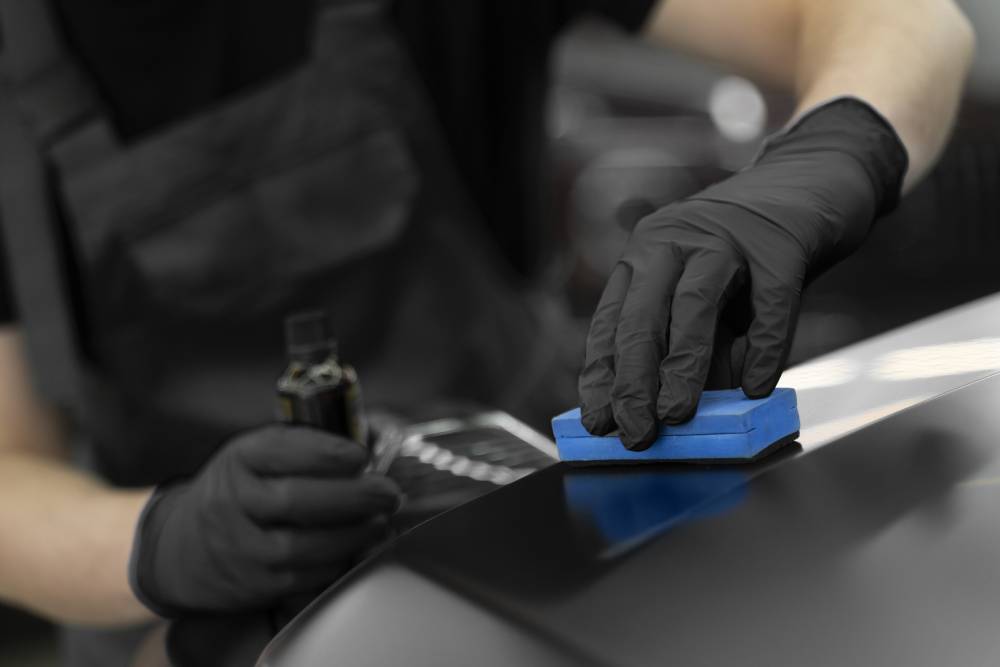
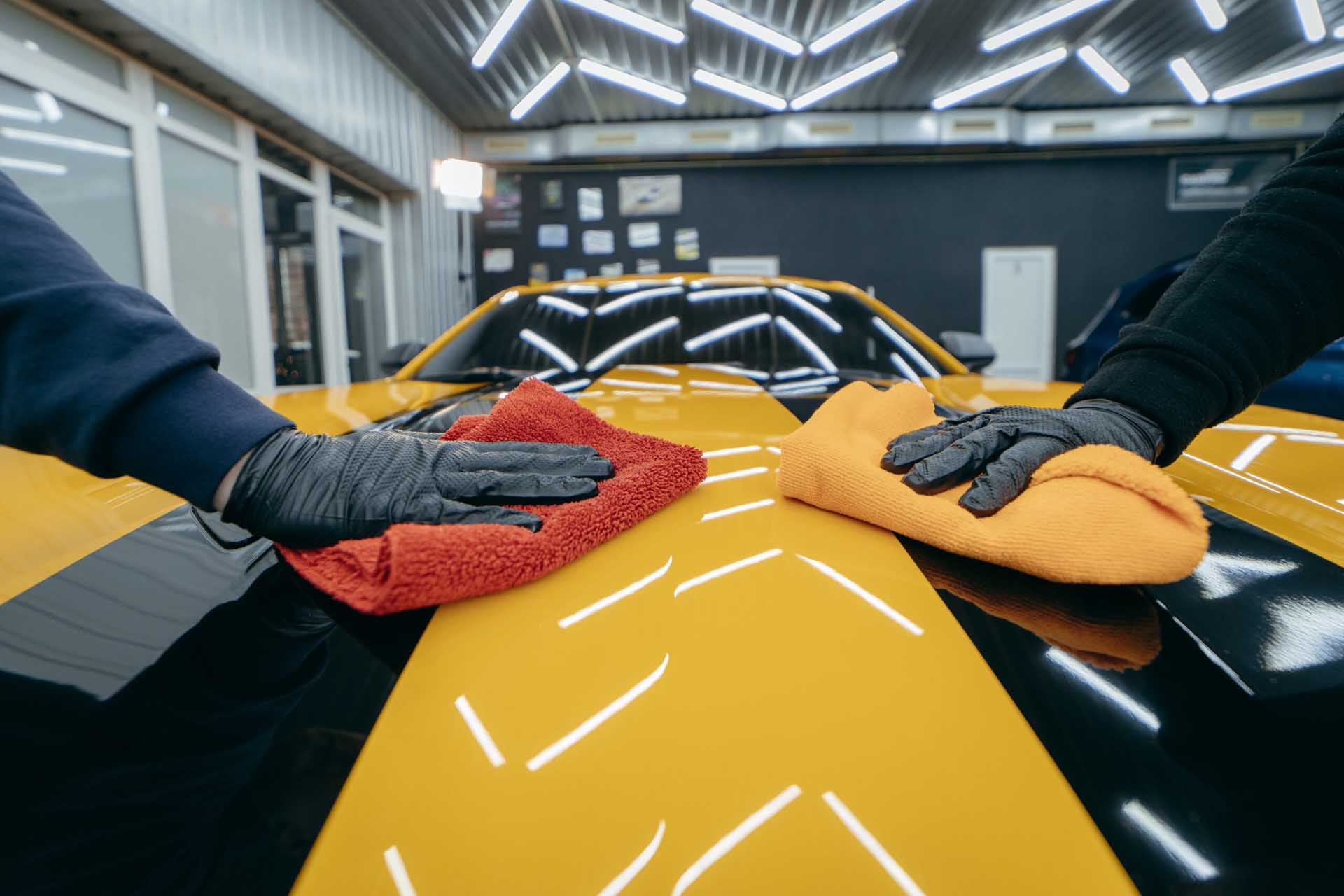
Ceramic coating is a liquid polymer that bonds chemically with the clear coat rather than sitting on top of it. Once cured — typically 24 to 48 hours — it forms a hard, semi-permanent layer that resists UV degradation, chemical etching, water spotting, and light scratches.
The key difference for Florida drivers: ceramic coating doesn’t melt. It holds up in extreme heat without breaking down or requiring reapplication. A properly applied professional-grade coating lasts two to five years depending on maintenance and the specific product used.
It also makes the car noticeably easier to clean. Dirt and salt air don’t bond to a ceramic-coated surface the way they do on bare or waxed paint. In coastal areas — anywhere from Tampa to Fort Lauderdale — that matters more than most people expect.

The Honest Trade-Off
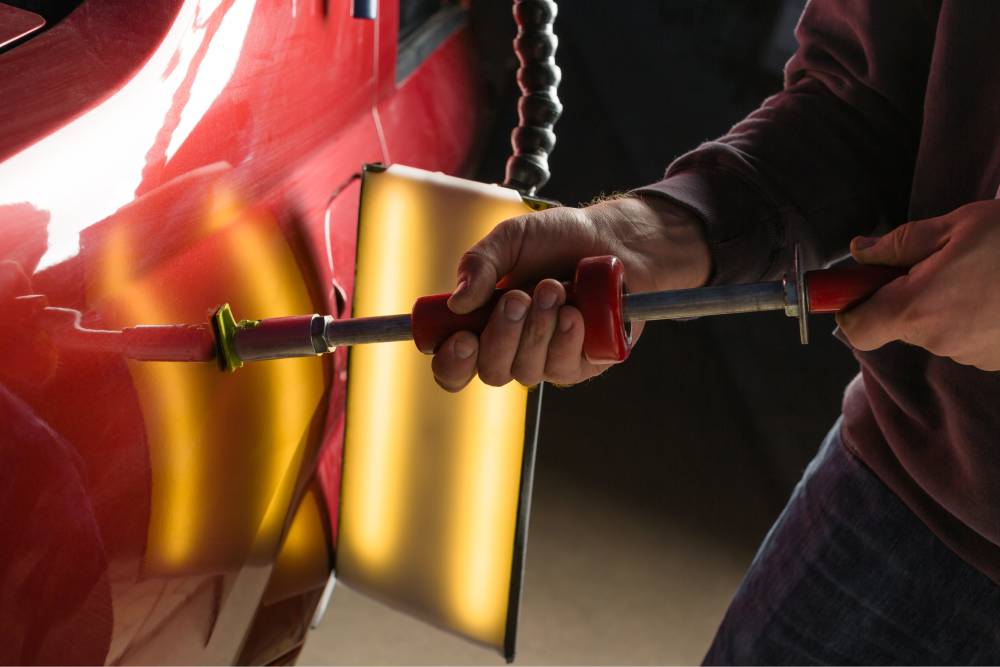
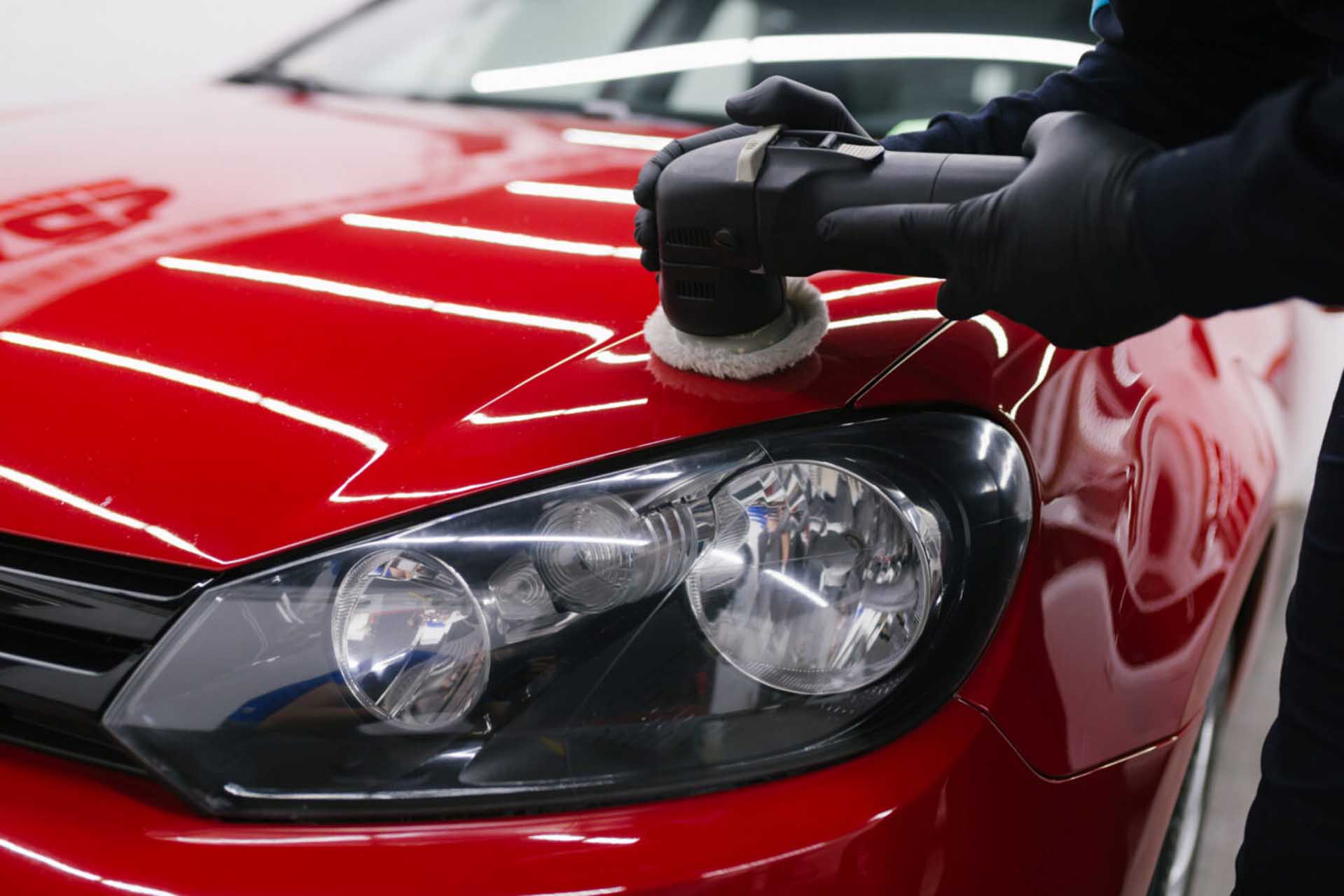
Ceramic coating costs more upfront — often several hundred dollars for professional application, versus a few dollars for a tin of wax. It also requires paint correction before application. Applying ceramic over swirl marks or oxidation locks those defects in permanently.
Wax is forgiving. Apply it yourself, and if the surface isn’t perfect, you’re not making it worse. For a car that’s already showing paint issues, wax is the practical call while you work toward a full correction and coating.
One thing worth being clear about: ceramic coating is not scratch-proof. It resists light marring, but a key, a door ding, or road debris at speed will still cut through it. It’s a protection layer, not armor.
| Feature | Wax | Ceramic Coating |
| Lifespan in Florida | 6–8 weeks | 2–5 years |
| Heat resistance | Low | High |
| UV protection | Temporary | Long-term |
| Chemical resistance | Minimal | Strong |
| Maintenance frequency | High | Low |
| Upfront cost | Low | Higher |
Which One Makes Sense in Florida
For a daily driver parked outside, ceramic coating pays for itself within the first year — mostly by reducing how often the paint needs correction and how much clear coat you lose to UV oxidation over time.
For a weekend car, a classic kept in a garage, or a vehicle you plan to sell within 12 months, quality wax applied consistently does the job without the upfront cost.
The mistake most Florida drivers make isn’t choosing the wrong product — it’s waiting until the paint is already oxidized before doing anything. At that stage, neither wax nor coating can reverse the damage. They can only slow what comes next.
FAQ
Technically yes. But any swirl marks, scratches, or oxidation under the coating will be sealed in and become permanent. Professional application always includes a correction step first.
It blocks UV rays more effectively than wax and doesn’t degrade in heat. It won’t make faded paint look new — that requires correction first — but it does slow UV oxidation on paint that’s already in good condition.
In Florida conditions, most waxes last six to eight weeks before the protection breaks down noticeably. Premium carnauba waxes may stretch to ten weeks in winter months, but summer heat shortens that window considerably.
For a daily driver that lives outside, yes. Florida’s UV exposure and humidity accelerate clear coat degradation faster than most states. Ceramic coating significantly slows that process and reduces long-term paint correction costs.