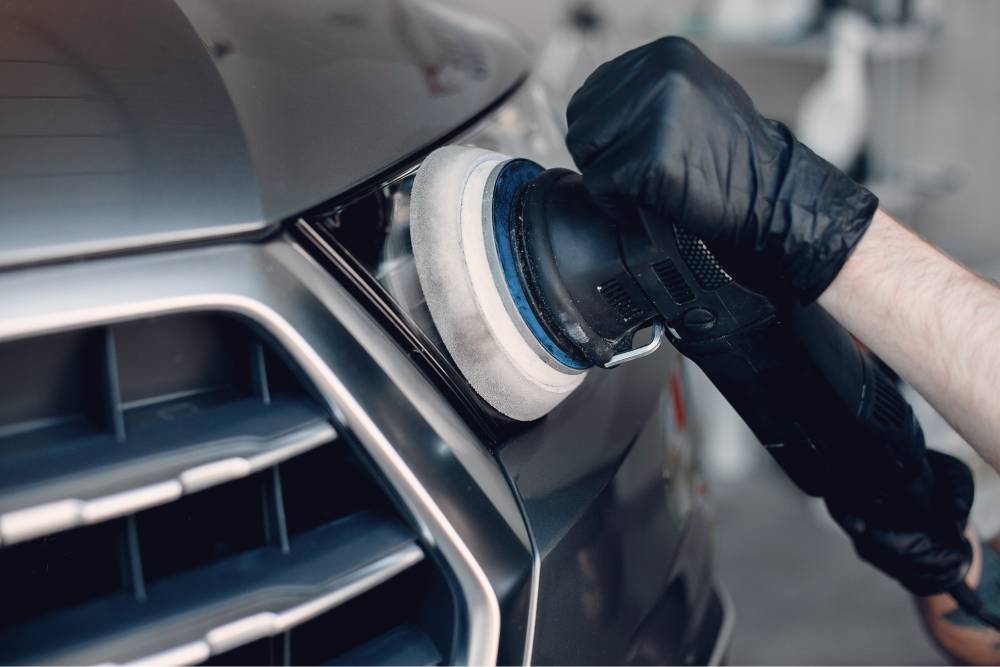
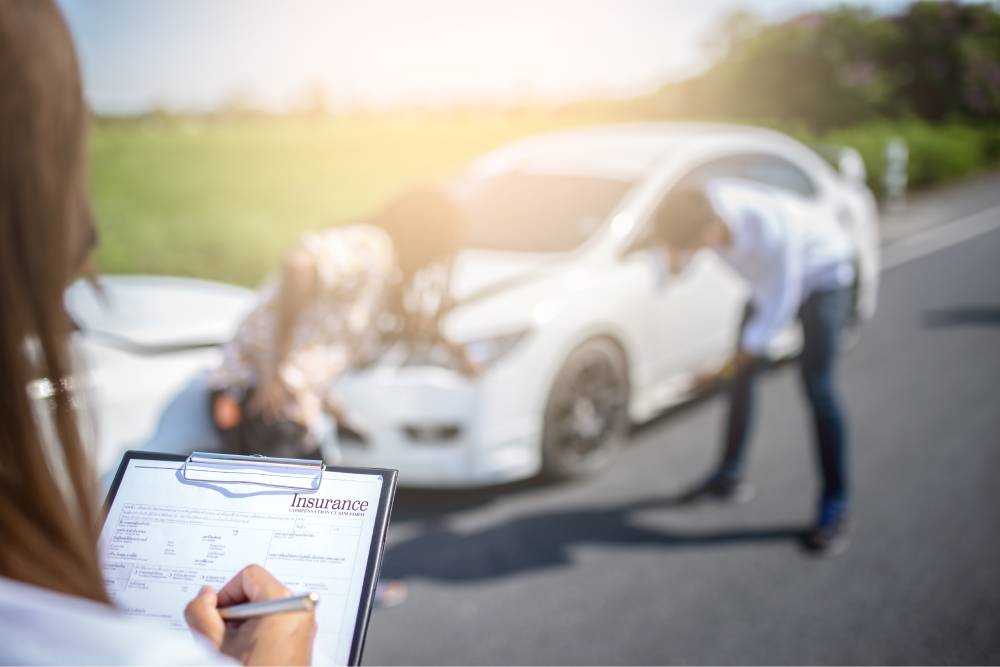

In Florida, a diminished value claim is how you recover the difference between what your car was worth before an accident and what it is worth after repairs, even when the repair is done right. In practice, these claims are filed against the at-fault driver’s insurer rather than your own, and how well the repair was documented shapes how strong the claim looks once it reaches an adjuster or an independent appraiser.
A diminished value claim recovers the drop in a car’s resale value after an accident, even when the repair is flawless. In practice the at-fault driver’s insurer pays it, not your own (Siegle v. Progressive, 2002). Treat two years from the accident as the working deadline, and back the claim with repair records and a measurement report.
What diminished value actually is
Diminished value is the gap between what a vehicle was worth the day before an accident and what it is worth after a repair, no matter how good that repair turns out. Insurers and appraisers usually sort it into three types.
Inherent diminished value is the loss buyers assign simply because the vehicle now has an accident on record, even when every panel was fixed correctly. This is the type most claims target. Repair-related diminished value covers a loss traceable to a specific flaw in the repair itself, like mismatched paint or panel gaps that don’t line up. Immediate diminished value is the theoretical drop measured the moment the damage happens, before any repair, and it rarely shows up in an actual claim.
The mechanism behind inherent diminished value is simple and permanent. Once a collision is reported to an insurer, it typically lands on the vehicle’s history report through services like Carfax, flagged as “accident reported,” “frame damage reported,” or “structural damage reported.” That flag outlives the repair. A dealer running a trade-in appraisal, or a private buyer pulling a report before making an offer, sees the flag years after the paint has cured, and prices the car accordingly.

Who pays a diminished value claim in Florida
Florida diminished value claims split into two paths depending on who is paying, and the difference decides how the claim gets built.
A third-party claim goes against the at-fault driver’s insurer. In practice, this is where diminished value claims in Florida get paid: the at-fault driver’s policy is covering a loss you did not cause, and adjusters on the third-party side treat the lost market value as part of that loss. There is no diminished-value-specific statute behind this; these claims run on ordinary negligence principles, the same ones that cover the repair bill or a rental car, which is also why an attorney, not a blog post, is the right place to confirm what your specific claim can include.
A first-party claim, filed against your own insurer under your own collision or comprehensive coverage, is a much harder path, for a reason a lot of competing articles get wrong or skip entirely. The Florida Supreme Court held in Siegle v. Progressive Consumers Ins. Co., 819 So. 2d 732 (Fla. 2002), that a standard collision policy promising to repair the car does not require your own insurer to pay diminished value on top. If your policy promises to “repair or replace” your vehicle, returning it to its pre-accident level of performance, appearance, and function satisfies that promise even if the car is worth less on paper afterward. Some policies add diminished value coverage through specific endorsement language, so the answer for any individual policy comes down to reading what it actually says, not what the standard form usually provides.
Which coverage applies also shapes which path you are on. Our breakdown of comprehensive and collision coverage covers how to tell the two apart before you file anything. Adjusters and appraisers sometimes call this same claim a loss of value claim; it’s the same thing under a different label.
How much value a car loses after a repair
There is no fixed percentage that applies to every vehicle. Any number quoted before a technician has seen the car and its accident history is a market estimate, not a guarantee.
What drives the loss: severity, structure, vehicle class
Structural or frame damage drops resale value more than cosmetic panel work, because buyers and dealers weigh a “structural damage reported” flag far more heavily than a repainted door. Age and mileage cut the other way: a five-year-old car with 60,000 miles usually absorbs a smaller percentage hit than a nearly new one, since buyers already expect some wear on an older vehicle.
Vehicle class matters too, and it matters more in South Florida than in most markets. Luxury and lease-return vehicles carry the largest dollar losses, since a percentage drop on a $90,000 sedan is a bigger number than the same percentage on an economy car, and lease-end inspections scrutinize vehicle history closely. Parts quality plays into this as well: a repair built around OEM parts tends to hold resale value better than one that leans on aftermarket panels of uncertain fit.
The insurer’s math: the 17c formula and why appraisers argue with it
Many insurers start any diminished value conversation from the 17c formula, a spreadsheet method that caps the maximum possible loss at 10% of a vehicle’s pre-loss value, then multiplies that number down using a damage severity factor and a mileage factor. The formula didn’t come out of a Florida statute or a Florida court; it grew out of a Georgia lawsuit against an insurer and spread because it’s quick to run and easy to defend on paper.
Independent appraisers frequently land on a higher number, because the 17c method’s 10% cap doesn’t track what the used car market actually does once a vehicle carries a “frame damage reported” flag. An appraiser compares real sale prices between comparable clean-history and accident-history vehicles instead. A diminished value calculator found online can give a rough sense of that gap, but treat it as a starting point: no insurer is bound by a number a calculator generates.
How to document and file the claim
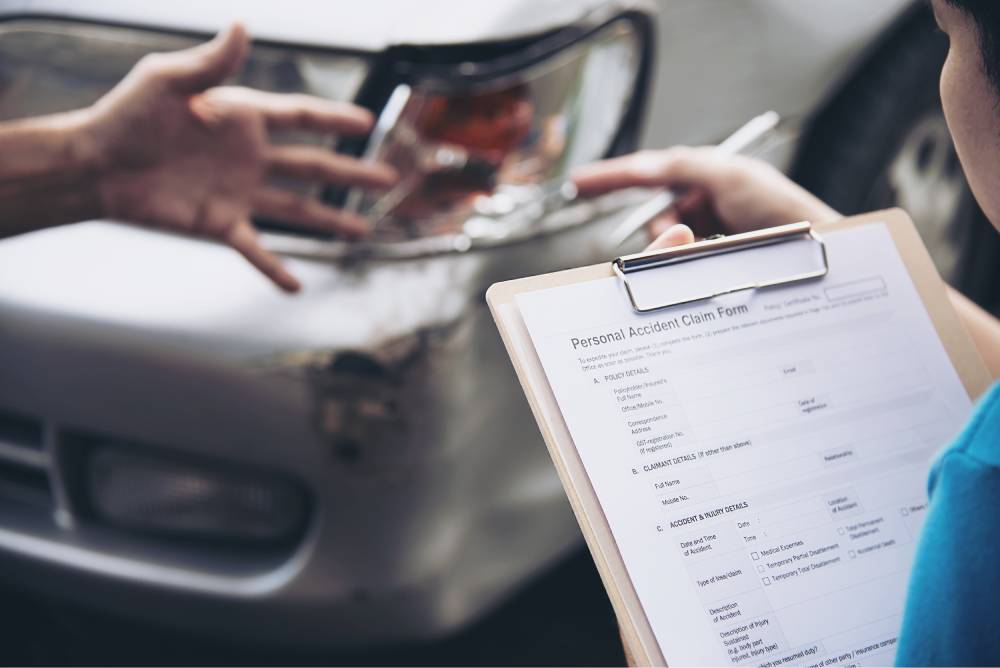
Filing a diminished value claim is mostly a documentation exercise, and the steps run in a fairly fixed order. Skipping one of them tends to make the appraisal or the negotiation harder later.
- Get the repair finished by a shop that documents as it goes: photos of hidden damage taken during disassembly, a written repair order, and a frame measurement report if the vehicle needed structural work.
- Confirm the claim number and the adjuster’s contact information from the at-fault driver’s insurer, the same details the repair claim itself needs.
- Get an independent diminished value appraisal once repairs are complete. An appraiser inspects the car, reviews the repair records, and produces a written report with a dollar figure, separate from whatever the insurer’s own 17c number says.
- Pull the vehicle’s post-repair history report so the appraisal references the same accident flag a future buyer or dealer will actually see.
- Write a demand letter to the at-fault insurer stating the claim number, attaching the appraisal and repair documentation, and asking for a specific dollar amount within a stated response window.
- Negotiate from the appraisal. Insurers frequently counter with their own 17c figure, and the repair and appraisal records are what support pushing back on it.
- Keep copies of everything sent and received. If the claim stalls or gets denied, that file is where an attorney or a second appraisal review would start.
Most of this can be assembled within a few weeks of the repair being finished. The appraisal is usually the step that takes longest to schedule, so booking it early is worth doing even before the repair paperwork is fully sorted.
Where your body shop fits in
A diminished value claim is only as strong as the repair record behind it, and that record gets built at the shop, not at the insurance company.
Our technicians are I-CAR certified, and every structural repair goes on a frame bench with a printed measurement report that goes home with the owner, not just into a file. We photograph the vehicle at teardown, before any panel goes back on, and again at each stage of the repair, so the file an appraiser or attorney eventually reviews shows exactly what was damaged and what was done to fix it. A repair estimated from a photo alone and pushed through on a tight cycle-time target leaves gaps a good appraiser will find, and those gaps tend to show up again in the settlement number.
South Florida’s humid, coastal air is also unforgiving on a repair that wasn’t sealed correctly. A seam that looks fine at pickup can start corroding within a year if it wasn’t sealed to spec, which is one more reason a documented, certified repair protects the claim as well as the car.
We see GEICO, State Farm, Progressive, and Allstate estimates daily, which means we know what a thorough one looks like before an adjuster ever writes it. That familiarity is part of how we handle the insurance side of a repair; the diminished value appraisal and demand letter are a separate process from the repair itself.
When to bring in an appraiser or an attorney
Not every diminished value claim needs a lawyer, and treating every case that way wastes money on paperwork that would have settled on its own.
A straightforward third-party claim on a moderate repair, backed by a clean measurement report and a documented appraisal, is often something you can pursue directly with the at-fault insurer’s adjuster. An attorney earns their fee when the insurer denies the claim outright, when the loss involves a high-value or leased vehicle where the dollar gap is large, or when the case has to go past a demand letter into small claims or civil court. An independent appraiser is worth the fee in nearly every case with real structural damage, since their report is what a demand letter and any later negotiation both stand on.
This article explains how the process generally works; it isn’t legal advice, and the deadline and strategy for your specific claim are worth confirming with an attorney before you file anything.
FAQ
A diminished value claim recovers the gap between your car’s market value before an accident and its value after a proper repair. The loss is real even when the repair is flawless, because the accident now shows on the vehicle’s history report and lowers what buyers and dealers will pay.
In practice, the at-fault driver’s insurer pays. The Florida Supreme Court held in Siegle v. Progressive (2002) that a standard collision policy promising to repair the car does not require your own insurer to pay diminished value, so claims against your own policy rarely succeed.
Less time than older articles say. Florida cut its negligence statute of limitations from four years to two in 2023 under House Bill 837, which amended Fla. Stat. §95.11. Treat two years from the accident as your working deadline, and confirm the exact date that applies to your claim with an attorney.
There is no single required formula. Many insurers start from the 17c method, a spreadsheet that caps the loss at 10% of book value and applies damage and mileage multipliers, while independent appraisers compare actual market prices of clean versus accident-history vehicles. The two numbers often differ sharply, which is why documentation matters.
Get your repair documented for a diminished value claim
If you’re dealing with diminished value after an accident, a documented repair is the foundation of the claim, whoever ends up reading the file. Auto Body Lab repairs and documents vehicles at 15150 W Dixie Hwy in North Miami Beach, serving Aventura, Sunny Isles, and North Miami, and we hand you the measurement report and repair photos before you ever have to call an appraiser.