
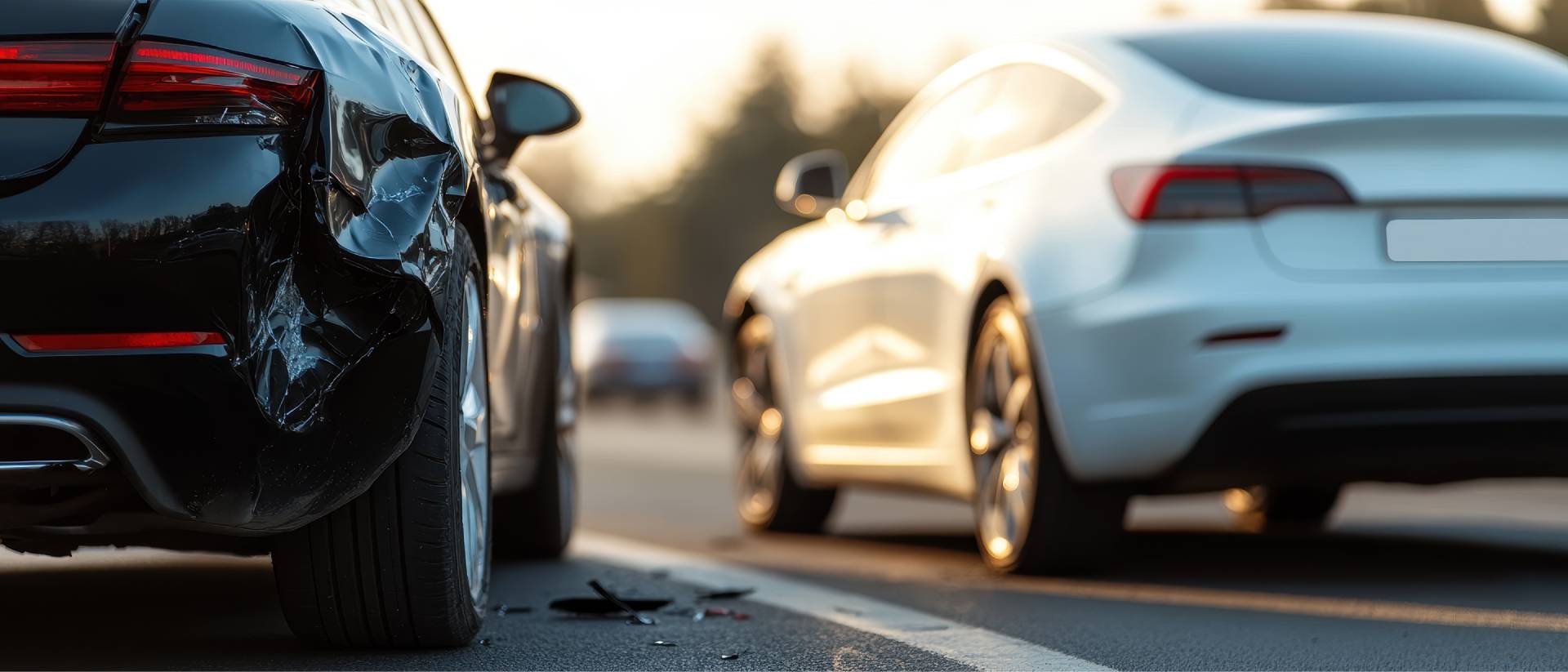

Collision coverage pays for damage to your car from an impact: hitting another vehicle, hitting an object, or rolling the car in a single-vehicle accident. Comprehensive coverage pays for damage that isn’t a collision, such as theft, vandalism, fire, animal strikes, and weather, including hail and flood. If your car is financed or leased, the lender typically requires both. Once it’s paid off, whether to keep either one comes down to the car’s value.
That single distinction, impact versus everything else, is what most people get wrong about their own policy. Here’s how the two coverages actually split, where the line gets blurry in South Florida, and what changes when you file a claim under each one.
Comprehensive vs. collision at a glance
| Collision | Comprehensive | |
| What it covers | Impact with a vehicle or object | Non-collision damage: theft, weather, fire, vandalism, animals |
| Typical examples | Rear-end accident, hitting a curb, single-car crash | Hail, flood, falling tree limb, stolen car, deer strike |
| Required for financed/leased cars | Usually yes | Usually yes |
| Fault matters? | No, applies regardless of who caused it | No, most causes aren’t anyone’s fault |
| Typical deductible range | $250–$1,000 | $250–$1,000 |
The two coverages are sold as a pair on most policies, but they’re triggered by different events. A single accident is almost always one or the other, rarely both.
What collision coverage actually pays for
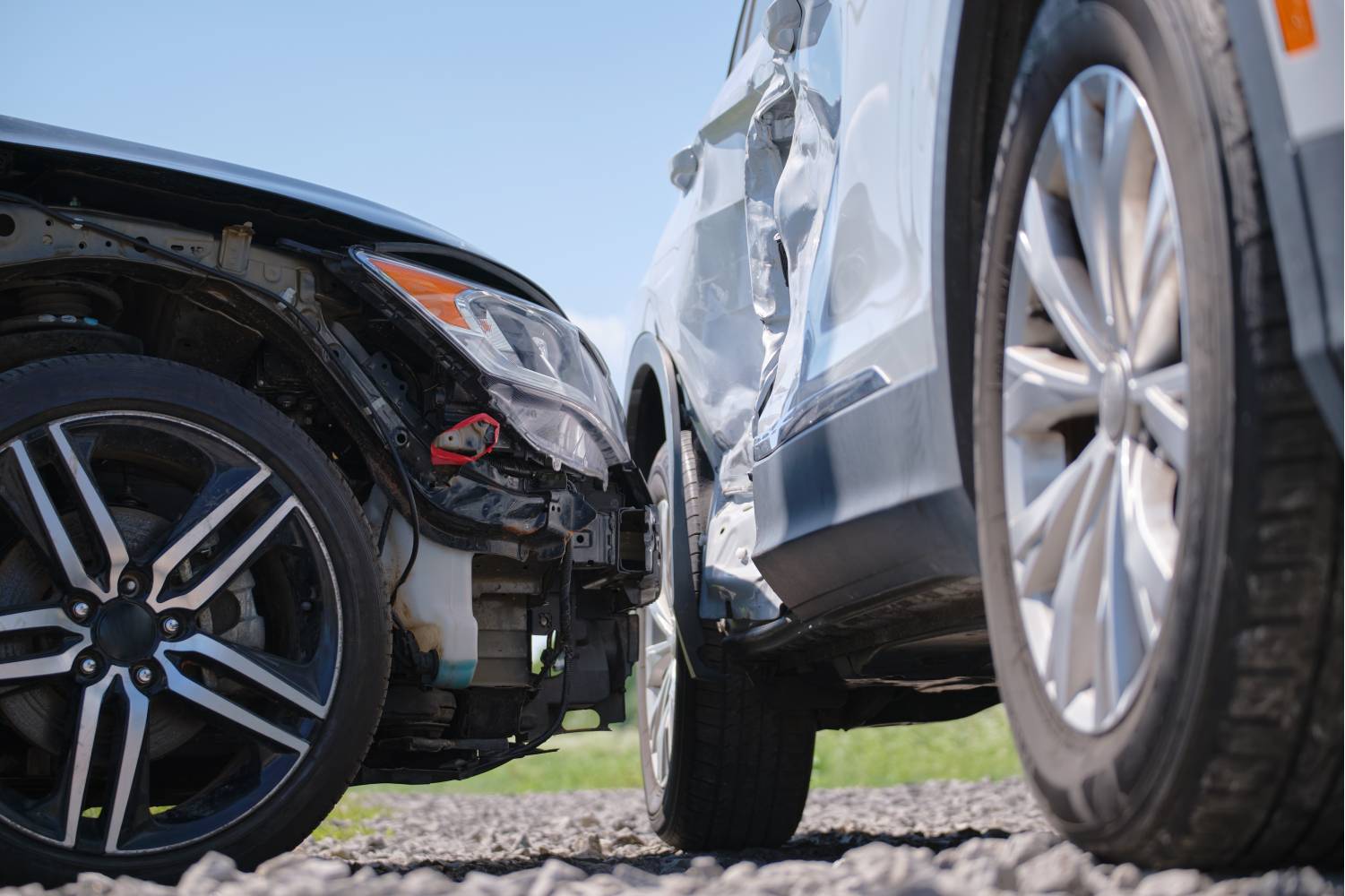
Collision is about impact. It pays to repair or replace your car after you hit another vehicle, hit a stationary object like a guardrail or fence, or get into a single-car accident like sliding off the road. It applies no matter who’s at fault, which is what separates it from liability coverage, which only pays for damage you cause to someone else.
It does not cover weather, theft, or anything that doesn’t involve your car striking something. For the full breakdown, including deductibles and how the claim and repair process works, see what collision coverage actually pays for.
What comprehensive coverage actually pays for
Comprehensive is the catch-all for damage that happens when your car isn’t in a collision. The common categories:
- Theft and vandalism. A stolen car or a keyed panel.
- Fire.
- Falling objects. A tree limb or debris landing on the car.
- Animal strikes. Hitting a deer is filed as comprehensive, even though there’s an impact.
- Weather. Hail, wind-driven debris, and storm damage to the vehicle itself.
- Flood and water intrusion. Water damage to the car from a storm or standing water.
Hail is the one South Florida drivers file most often. If you’re sorting out whether a specific hail claim is covered and how the deductible plays out, see the full guide to hail damage claims.
Real-world South Florida claim scenarios
The comprehensive-versus-collision line is easiest to see through actual claim types drivers deal with in this area.
Hailstorm damages a parked car
A summer storm rolls through and leaves small dents across the hood, roof, and trunk of a car parked outside. No other vehicle involved, no impact you drove into. This is a comprehensive claim. The repair method is almost always paintless dent repair, which works the dents out without repainting. For the repair side of this scenario, see repairing hail damage.
Rear-ended at a red light
Someone hits the back of your car while you’re stopped. This is a collision claim on your policy, filed against your own collision coverage even though you weren’t at fault, or against the other driver’s liability coverage depending on how the claim is routed. Either way, the damage came from an impact, so it sits in the collision bucket.
Storm surge or flash flood water intrusion
A tropical storm pushes water into a low-lying street and it rises into a parked car’s floorboards and electronics. This falls under comprehensive, since it’s storm and water damage to the vehicle, not a collision. One distinction worth knowing: this is not the same as flood insurance on a house, which is a separate policy entirely. Comprehensive auto coverage handles water damage to the car itself, not property or structures.
Do you need both
If the car is financed or leased, the answer usually isn’t optional. Lenders typically require both comprehensive and collision to protect their financial interest in the vehicle until it’s paid off.
Once the loan is gone, it’s a numbers question. Compare the car’s actual cash value to the annual premium for both coverages. On a car worth $3,000, paying $900 a year for coverage that would pay out $3,000 minus a deductible starts to look less useful than setting that money aside instead. On a car worth $25,000, dropping either coverage to save a modest premium is a harder case to make, since a single hailstorm or accident could cost more than years of premiums combined.
How deductibles and premiums differ
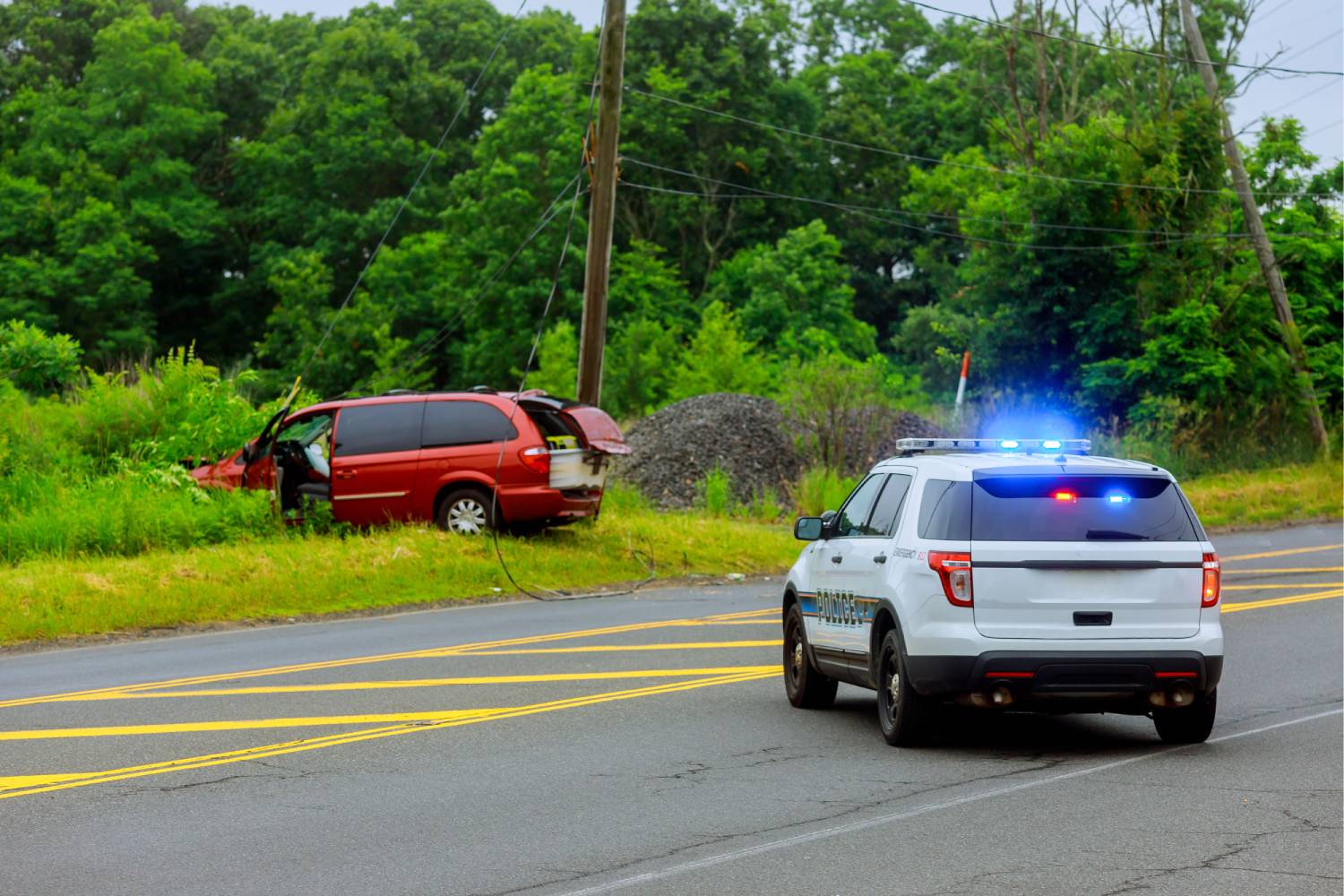
Comprehensive and collision each carry their own deductible, and they don’t have to match. It’s common to see a lower comprehensive deductible and a higher collision deductible, or the reverse, depending on how a driver wants to balance premium against out-of-pocket risk.
Premiums for collision tend to run higher than comprehensive, since at-fault collision claims are statistically more expensive and more frequent than most comprehensive events. Raising either deductible lowers the premium for that specific coverage. It doesn’t affect the other one.
Filing a claim: what’s different
The paperwork differs by which coverage applies, but the repair side often looks similar once a shop is involved. For a comprehensive claim, insurers frequently want documentation of the cause, like a storm date or a police report for theft. For a collision claim, the report typically includes how the impact happened and whether another party was involved.
A shop that runs a Direct Repair Program works directly with the adjuster on either type of claim, handling the estimate and scope documentation so the distinction between coverages matters less to you day to day. You still choose the repair shop either way.
FAQ
Yes. Glass damage from a rock, debris, or a cracked windshield not caused by a collision is typically a comprehensive claim. Some policies offer a separate glass deductible, often lower than the standard comprehensive deductible.
Comprehensive. Hail is a weather event, and comprehensive covers weather-related damage regardless of the fact that hail physically dents the car on impact.
Not required once there’s no lender involved. Whether it’s worth keeping depends on the car’s value against the premium; an older, lower-value car often makes the math less favorable than a newer one.
*This guide is general information, not insurance advice. Coverage terms, deductibles, and what counts as comprehensive versus collision vary by policy and insurer, so check your own declarations page for specifics.*
Not sure which coverage applies to your claim?
Auto Body Lab repairs both collision and comprehensive damage at 15150 W Dixie Hwy in North Miami Beach, and works directly with adjusters through our Direct Repair Program with major insurers including GEICO, State Farm, Progressive, and Allstate. From a hailstorm to a rear-end collision, we document the full scope for your adjuster so nothing gets missed.